
Key Takeaways
- A new Pew Research Center report found that moms, coaches, and entrepreneurs — not doctors — are now among the most trusted health voices for millions of people globally.
- Nearly 1 in 5 adults under 40 say social media influencers are their primary source of health information, according to the report.
- There’s a real psychological reason we trust fit, confident people over credentialed ones — and it’s costing some people their health.
- Three simple questions can help you filter bad health advice from genuinely useful guidance — no medical degree required.
I came across the New York Times piece on the Pew Research Center’s new study this week — the one asking who to trust for health advice online — and I genuinely had to put my phone down for a second. Not because it was shocking in the way a disaster headline is. But because it quietly described exactly what I’ve been doing for years without realizing it.
The study looked at where people actually get their health information. Not where they say they should get it. Where they actually go. And the answer? It’s complicated — and a little unsettling.
What Pew Research Actually Found About Who to Trust for Health Advice Online
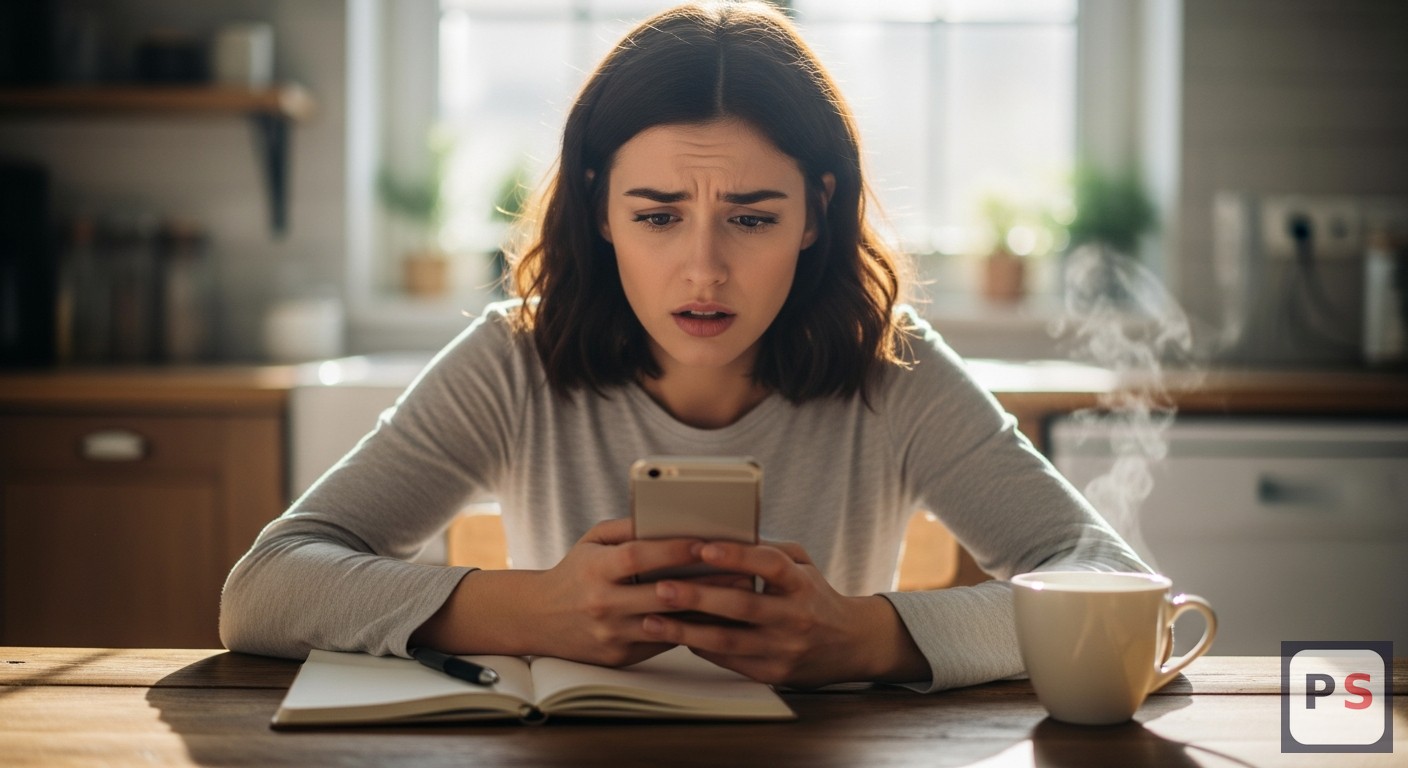
The Pew Research Center report — published and covered widely in late June 2026 — identified a new category of health influencer that most of us interact with every single day but never think of as “influencers” in a formal sense. Moms posting supplement routines. Coaches selling 12-week programs. Entrepreneurs with podcast empires built around biohacking and longevity. These are now among the most-consumed sources of health content globally.
And here’s the part that got me: the report found that a significant chunk of adults — particularly under 40 — are treating this content as genuinely authoritative. Not just entertainment. Not just inspiration. Actual medical guidance that shapes their decisions about what to eat, what to take, and whether to see a doctor at all.
The New York Times framed it bluntly in their headline: “Who Are You Getting Your Health Advice From?” It’s a question that sounds obvious. But if you sit with it for 30 seconds, most people realize they don’t have a clean answer.
“The gap between who we trust for health information and who is actually qualified to give it has never been wider.” — Framing from the NYT’s coverage of the Pew report, June 2026
Why We Trust the Wrong People — And It’s Not Stupidity
Here’s the thing. Trusting a fit, confident person with 800,000 followers over a tired-looking GP you see for 12 minutes twice a year isn’t irrational. It’s human psychology doing exactly what it was designed to do.
Psychologists call it the halo effect — the tendency to assume that someone who appears successful or healthy in one area must be knowledgeable across the board. If someone looks lean and energetic and talks confidently about inflammation markers, our brain fills in the rest: “They clearly know what they’re doing.”
The problem? Looking healthy and understanding human physiology are two completely different things. A 28-year-old with great genetics and a smoothie brand has every incentive to tell you that their magnesium supplement changed their life. They have zero obligation to mention that the clinical evidence for that specific supplement in your specific situation might be essentially nonexistent.
And we’re talking real money here. The global dietary supplement market was valued at approximately $177 billion in 2023, according to Grand View Research — and it’s projected to keep climbing. Someone is buying all of that. Largely based on recommendations from people who are not doctors.

The Access Problem Is Real — But It’s Not the Whole Story
Before I come across as someone who thinks everyone should just “go see a doctor,” I want to be honest about something the Pew report also touched on: access is genuinely unequal.
In many countries, booking a GP appointment costs money a lot of families don’t have. In rural areas across Africa, Southeast Asia, and parts of Latin America, the nearest qualified doctor might be hours away. In those contexts, a health Facebook group or a trusted community figure filling in the gap isn’t laziness — it’s necessity.
But here’s what’s interesting about the Pew data. The shift toward influencer-based health advice isn’t primarily driven by people who lack access. It’s also happening in places with robust healthcare systems. People with full access to qualified professionals are still choosing TikTok first. That’s the part worth sitting with.
- Der Amazon Prime Day 2026 steht bevor – und die Preistricks, die sie verwenden, werden dich teuer zu stehen kommen, wenn du nicht vorbereitet bist.
- ¿De quién recibes tus consejos sobre salud? La respuesta de Pew Research te sorprenderá
- A Demanda por Aprendizado Online Está Explodindo — E as Faculdades Estão Silenciosamente Falhando com os Alunos Que se Inscrevem
Three Questions That Can Actually Protect You — Starting Today
I’m not a doctor. I want to be upfront about that. But after spending a few hours reading the Pew report and the surrounding coverage, I came up with a simple filter I’m now applying to every piece of health content I consume. It’s not foolproof. But it’s a start.
Question 1: What do they gain if you believe this? This is the one that changes everything. If the person giving you advice also sells the product they’re recommending — a supplement, a program, a coaching package — that’s not a disqualifier, but it is a signal. Their financial incentive is tied to your belief. That doesn’t make them wrong. It just means you need a second opinion from someone with nothing to sell you.
Question 2: Can you find the original study? “Research shows…” is one of the most abused phrases in wellness content. Real research is published in journals — things like The Lancet, JAMA, or BMJ. If someone cites “a study” but doesn’t link to it or name it specifically, spend 60 seconds searching for it. You’d be surprised how often the actual study says something far more limited than the headline suggests.
Question 3: Would they tell you to see a doctor? This sounds almost too simple. But legitimate health educators — even non-doctors — will consistently tell you when something is outside their scope and you need professional input. If someone never, ever says “but check with your doctor about this,” that’s a quiet red flag.
Where Do YOU Get Your Health Advice?
See how you compare to other readers. Pick your primary source — then see the live results.
Who to Trust for Health Advice Online — The Realistic Answer
Honestly? The answer isn’t “only trust doctors and nobody else.” That’s not realistic, and for many people globally, it’s not even possible. The Pew report isn’t arguing for that either.
What it’s really pointing at is something more nuanced: health literacy — the ability to find, understand, and evaluate health information — has become one of the most important skills of our era. More important, arguably, than knowing where to find the information in the first place.
A mom who recovered from a chronic illness and shares what worked for her? She might have genuinely useful insights. A coach who has worked with hundreds of clients and tracks real outcomes? Possibly valuable. The question isn’t whether they’re credentialed. It’s whether you’re consuming their content as one data point — or as gospel.
The Pew study is a mirror. I looked into it and saw myself — someone who had been outsourcing health decisions to people I found compelling, rather than people I could verify. I’m not going to pretend I’ve fully fixed that. But I’m at least asking the three questions now. That feels like a start.
Last updated: July 01, 2026