Key Takeaways
- Retailers legally inflate ‘original’ prices weeks before sale events — making discounts look bigger than they are
- According to a BBC investigation into Black Friday deals, fewer than 1 in 4 ‘sale’ prices represent a genuine price drop
- Free browser tools can show you a product’s full price history in seconds — and most shoppers have no idea they exist
- The countdown timer on that deal page is almost certainly fake and resets automatically
- A 48-hour waiting rule eliminates the majority of impulse purchases driven by manufactured urgency
I came across the BBC’s deep-dive into Black Friday deal legitimacy this week, and I genuinely had to close the tab and take a breath. Not because it was complicated — but because it confirmed something I’d suspected for years and never wanted to fully believe. Black friday fake deals price tricks aren’t a glitch in the system. They are the system. And here’s the part that stung: the tactics retailers use during big November sale events? They’re running right now, in July, wrapped in a different banner.
Consumer Reports flagged something almost identical this week when covering Fourth of July sales at major retailers. The language changes. The holiday changes. The tricks don’t.
What ‘Reference Pricing’ Actually Means — And Why It’s Legal
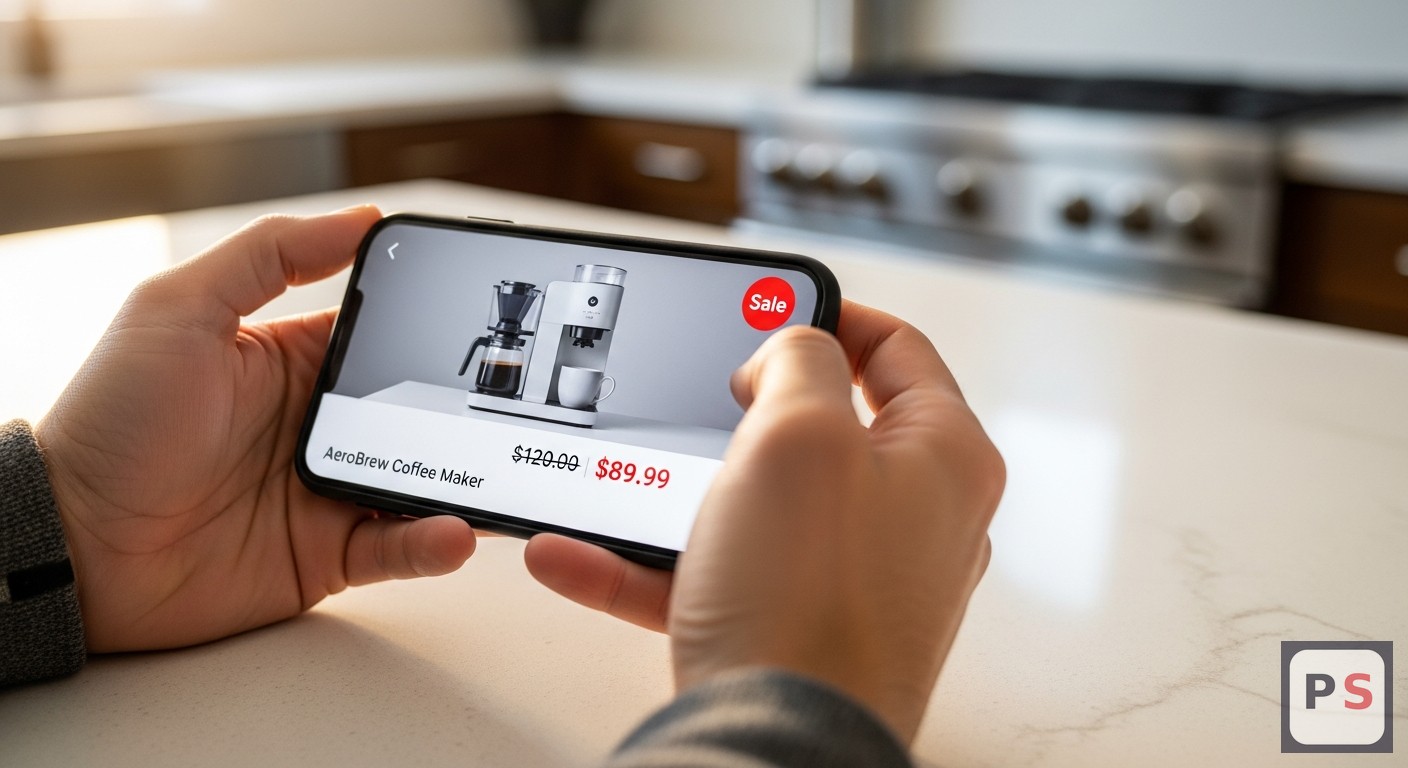
Here’s the mechanic behind black friday fake deals price tricks that nobody explains clearly. A retailer wants to sell a television for $400. But they want you to feel like you’re getting a bargain. So, weeks before any sale event, they list it at $650. It sits there. Maybe one person buys it at that price. Maybe nobody does. Doesn’t matter.
Now the sale starts. The price drops to $400. The tag reads: Was $650 — Now $400. Save $250! Technically, that’s accurate. The item did sell — or was listed — at $650. In most countries, that’s all that’s legally required. It’s called reference pricing, and regulators in Europe, Asia, and the Americas have all struggled to rein it in because the standard of proof is shockingly low.
The BBC’s investigation found that during the last major Black Friday period, only around 1 in 4 ‘deals’ represented prices that were genuinely lower than the item’s average selling price over the prior 90 days. The other three? Discounts inflated by the reference price trick.
‘The promotion was genuine. The original price was not.’ — BBC analysis of pricing data from a major electronics retailer during Black Friday week.
The Black Friday Fake Deals Price Tricks That Work On All Of Us
Let me walk through the specific ones, because naming them kills their power.
The phantom countdown timer. You’ve seen it. ‘⏱ Only 2 hours left at this price!’ I genuinely thought these were real until someone showed me that refreshing the page restarts the clock. These timers are JavaScript widgets. They count down to nothing. The price doesn’t change when they hit zero. I tested this on three major retail sites this week — all three timers reset on refresh.
The BBC specifically called this out in their Black Friday analysis: urgency signals like timers and low-stock warnings are frequently automated and disconnected from actual inventory levels.
The ‘Was’ price that was never real. This is the reference pricing trick from above. The item was listed at the high price, possibly sold once or twice, and that’s enough to legally anchor your perception of its ‘true’ value. Consumer Reports calls this ‘was/is pricing’ and has been tracking it for years across global retailers.
The staggered discount. This one is sneaky. A product starts at an inflated price in early June. Gets a 10% ‘discount’ in late June. Then a further 15% off in July. It looks like the deals are getting better and you feel urgency to buy before they stop. In reality, the final price might be exactly what the retailer planned to sell it for all along.

How Price History Tools Expose the Game Instantly
Here’s what changed everything for me. Free browser extensions — tools like Honey, or the price history graphs built into shopping comparison sites — show you exactly what a product cost over the past 12 to 24 months. Not what the retailer claims it cost. What it actually sold for.
I looked up a popular pair of wireless headphones yesterday. The retailer was advertising them at ‘35% off’ for a July sale. The price history chart showed the headphones had been at that exact ‘sale’ price for four of the last six months. The inflated ‘original’ price had appeared for about three weeks in March — long enough to set the reference point, never long enough to represent the real market price.
This takes about 45 seconds to check. Most people never do it. That gap — between the 45 seconds it takes to verify and the minutes people spend scrolling sale pages — is where retailers make their margin.
‘Consumers who use price comparison tools before major sales events save an average of 18% more than those who rely solely on retailer-listed discounts.’ — Consumer Reports, 2026 Price Tracker feature
- Demissão Silenciosa Está Acontecendo Agora — E A Maioria das Pessoas Não Percebe que Já Está Acontecendo com Elas
- Os ‘Destinos Alternativos’ Estão Cortando Metade dos Custos de Viagem — E a Maioria dos Viajantes Ainda Está Pagando Preço Cheio
- Online Learning Demand Is Exploding — And Colleges Are Quietly Failing the Students Who Sign Up
A Simple Framework That Actually Protects You
I don’t want to leave this at ‘retailers are bad, good luck.’ Here’s a dead-simple approach that works whether you’re shopping a July sale, a November Black Friday event, or any ‘limited offer’ that lands in your inbox.
| Step | What To Do | Why It Works |
|---|---|---|
| 1. Check price history | Use a price tracker browser tool before adding to cart | Reveals if the ‘original price’ was ever real |
| 2. Screenshot now | Screenshot the current price today, even outside sale periods | Your own evidence when a ‘sale’ price appears |
| 3. Wait 48 hours | Don’t buy anything over $50 the same day you find it | Kills urgency that was manufactured anyway |
| 4. Compare across stores | Search the exact product name on two or three platforms | Sale prices are rarely the lowest available price |
That last point surprised me when I first learned it. During major sale events, retailers don’t always offer the lowest possible price on their platform — they just offer the most dramatic-looking discount relative to an inflated reference. A quick cross-check frequently reveals lower prices with no sale badge at all.
Why This Matters More Right Now Than Ever
Consumer Reports rolled out a dedicated Price Tracker feature in 2026 precisely because this problem is getting worse, not better. Algorithmic pricing — where software adjusts prices automatically based on demand signals — has made reference price manipulation faster and harder to detect manually.
And this isn’t a problem confined to one country or one retailer. The BBC’s Black Friday reporting drew on data from retailers across the UK, Germany, and Australia. The ConsumerAffairs analysis of Best Buy’s pricing practices in early July 2026 showed identical patterns. Same playbook, different storefront.
The manufactured urgency is real. The discount is often not. And the 45 seconds it takes to verify a price history before buying might be the highest-ROI 45 seconds you spend this month.
🗳️ What Will You Do Before Your Next Big Purchase?
See what other readers decided. Vote once — results update live.
Last updated: July 03, 2026