Key Takeaways
- Consumer Reports this week revealed that many Best Buy ‘sale’ prices are based on inflated reference prices that were never genuinely standard retail prices.
- A product showing 25% off may have only been ‘full price’ for a few days before the discount label appeared permanently.
- Free price-history tracker tools can show you what an item actually sold for over the last 90-180 days — and the difference is often shocking.
- July is one of the biggest months retailers use this tactic, piggybacking on Amazon Prime Day buzz to create fake urgency.
- The fix is simple but requires one extra step before you buy — this article walks you through it.
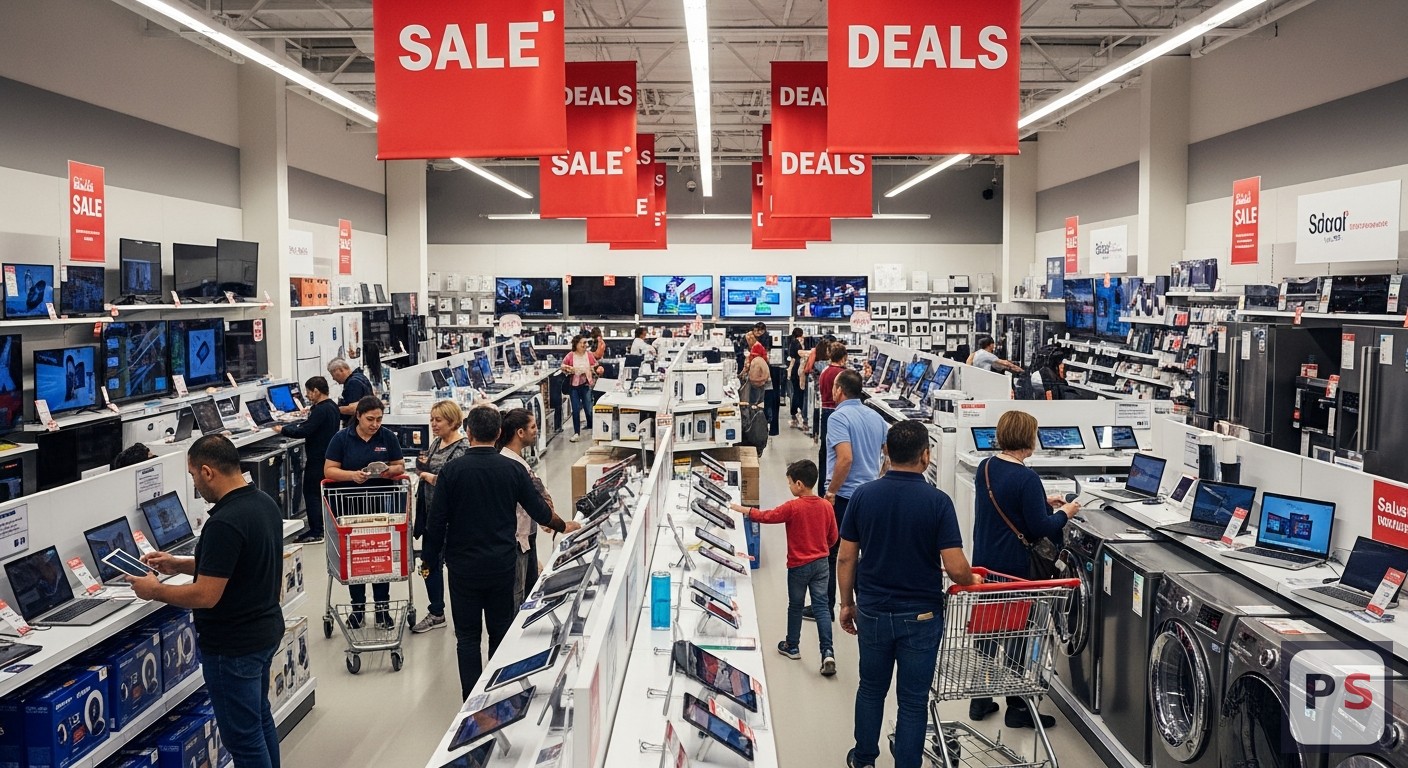
I came across a ConsumerAffairs breakdown this week that stopped me mid-scroll. It was digging into a Consumer Reports investigation about Best Buy fake deals exposed — specifically how the store’s sale tags can show a ‘was $499, now $349’ label on a TV that was quite literally never actually sold at $499 in any meaningful way. And I thought — wait, how is this even allowed?
Turns out: it mostly is. And it’s not just Best Buy. This is a global retail playbook. But the Consumer Reports spotlight published this week gives us hard, specific numbers to talk about — so let’s actually look at what’s happening.
What Consumer Reports Actually Found About Best Buy Fake Deals Exposed
The Consumer Reports investigation — which ConsumerAffairs covered in detail just days ago — focused on how retailers set ‘reference prices.’ That’s the number they cross out to make the sale price look dramatic.
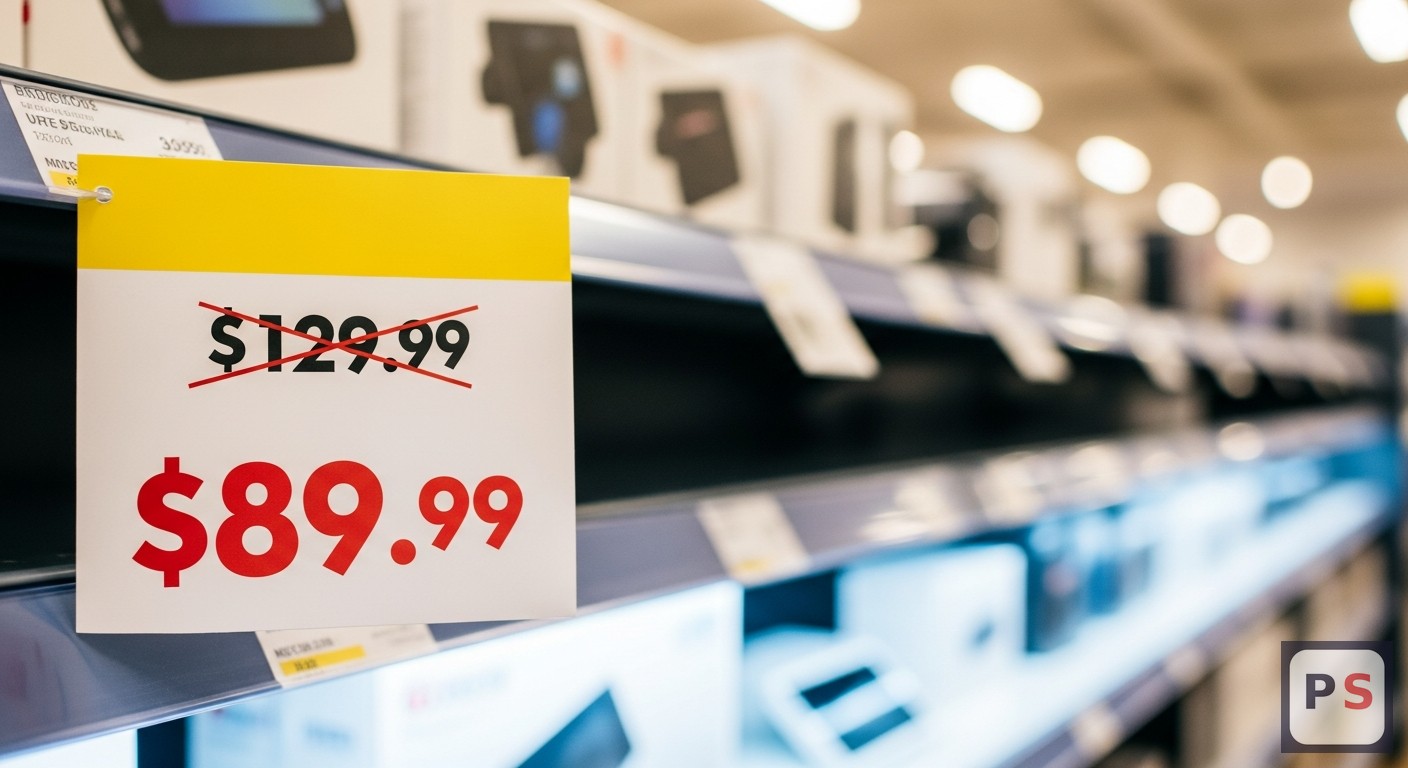
Here’s how the trick works. A retailer introduces a product at, say, $499. They sell almost none at that price. After 30-90 days — enough time to technically establish it as a ‘regular price’ — they slash it to $349 and slap a red sale tag on it. From that point on, the $349 price might sit there for six months. But the tag still screams ‘30% off.’
Consumer Reports found specific product categories where this happens most: large-screen televisions, laptops, and kitchen appliances. These are exactly the items people tend to buy during perceived ‘sale seasons’ — July Prime Day period, back-to-school, and winter holidays.
‘In many cases, the sale price IS the regular price. The original price existed briefly or only in limited markets.’ — Consumer Reports, July 2026 investigation summary
This isn’t technically illegal in most jurisdictions globally — because the item did sell at that higher price, even briefly. But it’s designed to trigger your brain’s loss aversion: the feeling that you’re saving money RIGHT NOW and would be an idiot to walk away.
Why July Specifically Is When This Gets Aggressive
Here’s what I found genuinely fascinating when I dug into this. Retailers around the world — not just in North America — have learned to piggyback on Amazon Prime Day energy. Amazon’s annual July sale creates a cultural expectation: July means deals. Other retailers jump in with their own ‘sale events’ even when the discounts are completely manufactured.
Best Buy ran a ‘Black Friday in July’ style promotion this week. Consumer Reports specifically flagged that several of their marquee deals — items prominently featured in promotional emails — had reference prices that couldn’t be verified as genuine market prices at any point in the last 12 months using publicly available data.
One example cited: a 65-inch OLED television listed at ‘was $1,299, now $899.’ Price history data — available through tools like CamelCamelCamel for Amazon or browser extensions like Honey — showed the item had sat at $899 for most of the previous five months. The $1,299 price appeared briefly in January for roughly three weeks.
Three weeks. That’s the ‘original price’ you’re supposedly saving $400 from.
The Global Pattern — This Isn’t Just One Store

I want to be clear: this is not a Best Buy-exclusive problem. A 2024 study by the European Consumer Organisation (BEUC) found that more than 42% of online ‘discounted’ prices across major European retailers were based on reference prices that had not been the actual selling price for at least 30 consecutive days prior to the sale.
The EU actually passed a new pricing directive in 2022 — the Omnibus Directive — requiring that any sale price must reference the lowest price the item sold for in the 30 days before the discount was applied. But enforcement varies wildly by country, and online cross-border shopping makes it murky.
In markets across Asia, South America, and elsewhere, similar deceptive reference pricing is common across electronics, fashion, and home goods categories. The Consumer Reports investigation is valuable precisely because it gives us documented, named examples — not just vague industry warnings.
| What the Tag Says | What It Often Means |
|---|---|
| Was $499, Now $349 — 30% off! | $349 has been the price for 4+ months. $499 lasted maybe 3-6 weeks. |
| Limited Time Deal — Ends Sunday | The ‘deal’ resets to the same price the following Monday, often indefinitely. |
| Best Price of the Year | No verified data behind this claim. It’s a marketing label, not a price promise. |
| Clearance — Final Units | Sometimes genuine. But ‘final units’ can mean hundreds of units across hundreds of locations. |
- A IA nos Seguros Está Silenciosamente Decidindo Suas Reclamações — E os Clientes Estão Perdendo Confiança Rápido
- Você Pesquisa sobre Autoaperfeiçoamento Todos os Dias, Mas Nada Muda — Aqui Está a Armadilha Oculta do Cérebro que a Ciência Acabou de Explicar
- De quem você está recebendo conselhos de saúde? A resposta do Pew Research vai te surpreender
What You Can Actually Do Right Now
This is the part I care about most — because knowing retailers do this is useful, but knowing how to fight back is actually useful.
Step one: check the price history before buying anything over $50. For Amazon products, CamelCamelCamel is free and shows you a product’s full price history going back years. For Best Buy, Walmart, and other major retailers, browser extensions like Honey or Capital One Shopping (both free) show price history and alert you when a ‘deal’ is actually the item’s normal price.
Step two: wait 48 hours. This sounds obvious but it works — Consumer Reports notes that July sale events at Best Buy often see additional markdowns on the same items within two to three days, because the retailer adjusts based on competitor pricing in real time. The artificial urgency is designed to prevent you from waiting.
Step three: check the item on at least one competing platform. If Best Buy says a laptop is $749 ‘on sale’ from $999, spend 45 seconds checking that exact model on another major retailer. Price discrepancies between platforms often reveal which price is real.
And honestly — step four — read the Consumer Reports price tracker tool they launched this year. It’s free to access basic data and they’ve been doing this kind of retailer accountability work since 1936. They don’t take advertising. That independence matters.
What Do You Do Before Buying a ‘Sale’ Item?
See how you compare to other PickSurely readers
The Best Buy Fake Deals Exposed Lesson Is Bigger Than One Store
Here’s what I keep coming back to after reading all of this. We’re trained from childhood to believe that a crossed-out price means we’re getting something special. That red tag triggers something emotional — something that bypasses the part of your brain that would otherwise ask: ‘but was it ever actually that price?’
Retailers know this. They’ve known it for decades. The Consumer Reports investigation this week is a useful reminder that the burden of verifying a deal is now on us as buyers — not because that’s fair, but because it’s reality.
One extra step — a 30-second price history check — is genuinely all that stands between you and handing over $150 more than you needed to for a TV that’s been quietly sitting at the ‘sale’ price since February.
That’s not a conspiracy. It’s just how modern retail works. And now you know it.
Last updated: July 08, 2026