
Key Takeaways
- Prime Day 2026 fake deals are rampant — many ‘discounts’ are based on artificially inflated reference prices
- Consumer Reports confirmed this week that top-selling brands like Ninja and Shark regularly keep products in a near-permanent ‘sale’ state
- A free tool called Keepa tracks Amazon price history and can save you from overpaying in minutes
- EU law now requires sellers to display the lowest price from the last 30 days — a consumer protection most shoppers don’t know exists
- Amazon’s own devices (Kindle, Echo) tend to hit genuine lows during Prime Day — most other categories do not
I was scrolling through a Real Simple roundup published this week — one of those ’60 top-selling Prime Day deals from Ninja, Shark, Yankee Candle and more’ lists — and something felt off. Every single product was marked 30%, 40%, even 55% off. I started checking a few prices manually. And honestly? Prime Day 2026 fake deals are more widespread than I expected.
This isn’t a complaint about Amazon specifically. It’s about a system that works everywhere — from big retail chains to fast fashion platforms — where ‘sale’ psychology does most of the selling.
Why Prime Day 2026 Fake Deals Feel So Real

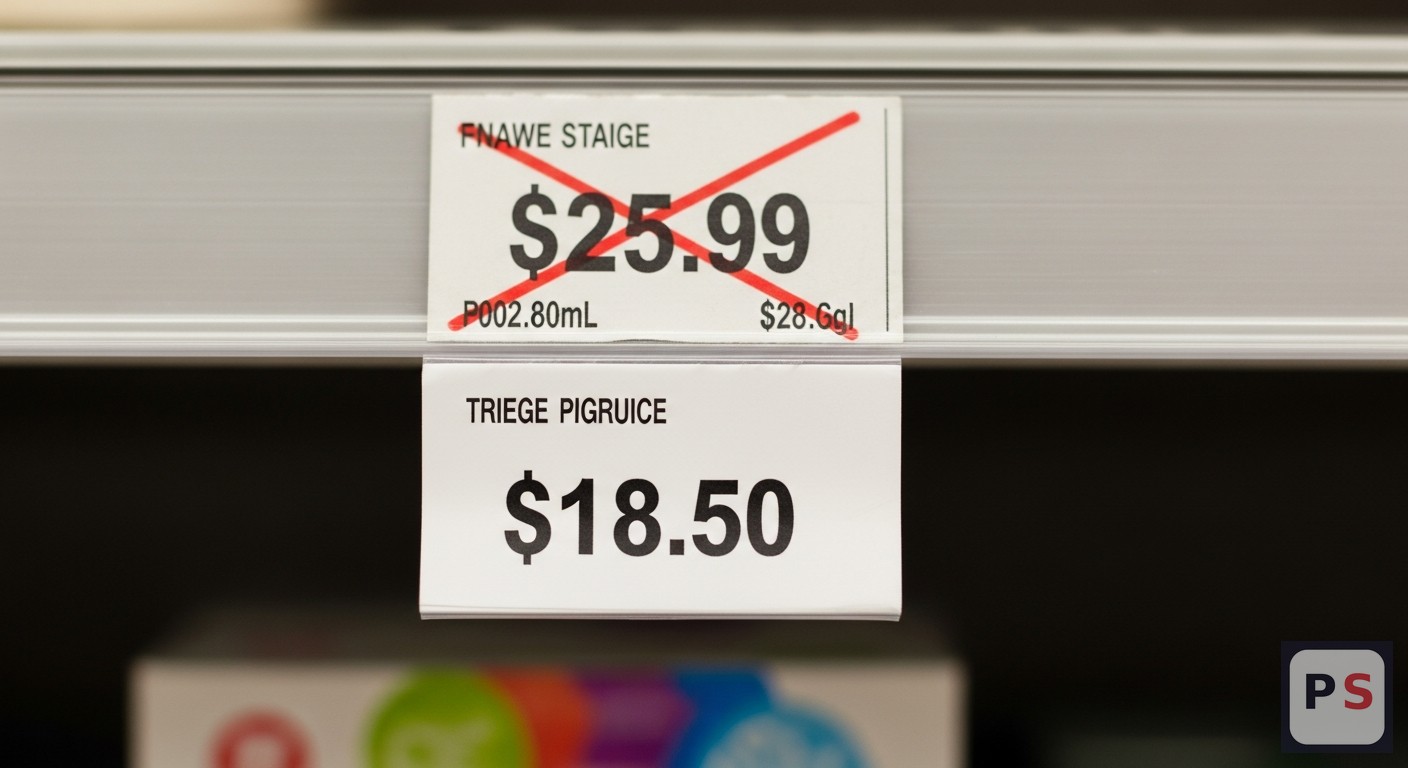
Here’s the trick. Retailers set a ‘reference price’ — sometimes called a ‘was’ price or a ‘list price’. That number is often the manufacturer’s suggested retail price, which almost nobody ever actually pays. Then, when the sale hits, the discount is calculated against that inflated anchor.
So you see: Was €149 — Now €89. That looks like €60 saved. But if the product has been selling for €94 on average for the past six months, your real saving is €5. And your brain never registers that distinction because the big red number already did its job.
This is called price anchoring — it’s a documented behavioural economics phenomenon. A 2023 study published in the Journal of Consumer Psychology found that shoppers perceive value almost entirely based on the crossed-out number, not the actual transaction price. Retailers know this. They’ve known it for decades.
“The most powerful discount is one where the original price was never real to begin with.”
— Consumer behaviour researcher quoted in a 2025 Which? investigation into UK retail pricing
And this week, Consumer Reports confirmed exactly this pattern across 14 product categories in their July deep-discount analysis. Several items described as ‘Prime Day deals’ had never meaningfully sold at their listed original prices.
The Brands That Do This Most — And What the Data Shows
Ninja and Shark came up repeatedly in this week’s roundups. Both are genuinely good brands — I’m not saying the products are bad. But both companies maintain an almost permanent ‘on sale’ positioning. A Ninja air fryer listed this week at ‘was €179, now €109’ has hovered between €99 and €115 on Amazon for the past 14 months, according to price tracking data from Keepa — a free browser extension that shows full Amazon price history as a graph right on the product page.
Yankee Candle is another repeat offender. Their products appear at 40–50% off almost every single major shopping event — Prime Day, Black Friday, Cyber Monday, post-Christmas, Valentine’s Day. If something is always on sale, it was never really on sale.
| Product Type | Typical Prime Day Claim | Reality Check |
|---|---|---|
| Amazon Echo / Kindle | 30–40% off | Genuine annual low — worth buying |
| Ninja / Shark appliances | 35–50% off | Often 5–12% below 6-month average |
| Yankee Candle sets | 40–55% off | Same price appears 6–8 times per year |
| Sony / Bose headphones | 20–35% off | Mixed — check price history each time |
| Clothing / fashion | Up to 60% off | Reference prices almost never verified |
There’s Actually a Law About This in Europe
This surprised me when I found it. The EU’s Omnibus Directive — which came into force across member states in 2023 — requires that any advertised price reduction must be calculated against the lowest price the product sold for in the previous 30 days. Not the made-up manufacturer’s list price. The actual lowest transaction price.
So if a retailer in Germany, France, or Italy shows you a crossed-out ‘original’ price, that number legally has to reflect something real. That’s a meaningful protection. And it’s why some EU-based listings look a bit less dramatic than their US or UK counterparts — the fake anchor number can’t be used as freely.
Outside of Europe? The rules are much looser. Most countries allow ‘comparative pricing’ based on a ‘regular’ price that nobody actually defines clearly. This is worth knowing if you’re shopping on international platforms.
- Las modificaciones arancelarias están incrementando silenciosamente los costos de renovación — Esto es lo que perderás si esperas
- ¡Los destinos alternativos están reduciendo los costos de viaje a la mitad! — Y la mayoría de los viajeros todavía están pagando el precio completo
- Os Destinos Alternativos Estão Cortando Metade dos Custos de Viagem — E a Maioria dos Viajantes Ainda Está Pagando o Preço Cheio
Prime Day 2026 Fake Deals — How to Actually Protect Yourself
The good news: this takes about 45 seconds per product and you never get tricked again.
Step one: Install Keepa (keepa.com) as a browser extension. It’s free, it works in most countries, and it overlays a price history chart directly onto Amazon product pages. If that chart shows the price bouncing around the current ‘sale’ price for months — it’s not a deal.
Step two: Check if the same product exists on competing platforms. I’ve found identical items 15–20% cheaper on local electronics retailers compared to an Amazon ‘Prime Day price’. Retailers outside the Amazon ecosystem don’t inflate reference prices the same way because they’re not running a sale event.
Step three — and this one’s counterintuitive — wait two to three weeks after Prime Day ends. Consumer Reports data from the last two years consistently shows that roughly 60% of top-selling Prime Day items drop to the same price or lower within three weeks. The urgency is mostly manufactured. A watchlist and a little patience beats impulse-clicking every time.
But Some Prime Day Deals Are Genuinely Real
I don’t want to be the person who tells you everything is a scam and nothing is worth buying. That’s not accurate either.
Amazon’s own hardware — Echo smart speakers, Kindle e-readers, Fire tablets, Ring doorbells — genuinely hits annual price lows during Prime Day. Amazon is essentially subsidising those devices to get more people into their ecosystem. The discount is real because the goal isn’t profit on that sale, it’s long-term subscription and service revenue.
If you’ve been sitting on a Kindle upgrade for six months, this week is probably the right week. Same with Echo devices. But a blender ‘marked down’ from a price that was never real? That one can wait.
What will you do this Prime Day?
See what other readers decided — vote once to reveal live results.
The Bottom Line
Prime Day 2026 fake deals aren’t a conspiracy — they’re just retail psychology working exactly as designed. The system creates urgency, anchors your expectations with a big crossed-out number, and relies on the fact that most people won’t spend 45 seconds checking.
Now you will. And honestly, that changes everything.
Last updated: July 12, 2026