
Key Takeaways
- The refurbished electronics market hit $65 billion globally in 2025 — and quality control has not kept pace with that growth
- The word ‘refurbished’ has no universal legal definition, meaning sellers can apply it however they want
- Manufacturer-certified refurbished devices are fundamentally different from third-party ‘refurb’ listings
- Battery condition is the single most hidden risk in buying refurbished phones and laptops
- A discount below 20% almost never justifies the risk of going refurbished over new
- Return windows shorter than 30 days are a serious warning sign you should not ignore
The Opinion Piece That Made Me Stop and Think About Buying Refurbished Electronics Risks
I was scrolling through my news feed this week when I caught an opinion piece in The Morning Call — a regional US paper, but the argument hit globally — calling out how dangerously misleading the refurbished electronics market has become. The writer made a point I hadn’t really put together before: the word ‘refurbished’ means absolutely nothing legally. Any seller, anywhere in the world, can slap that label on a product with zero standardized testing behind it.
And I had to dig deeper, because I’ve bought refurbished myself. Twice. And honestly, one of those purchases was a quiet disaster.
Here’s why buying refurbished electronics risks are higher right now than they’ve been in years — and what the actual smart move looks like in May 2026.

The ‘Refurbished’ Label Is Basically the Wild West Right Now
According to a 2025 report from Statista, the global market for refurbished consumer electronics crossed $65 billion. That’s a massive number. And when markets get that big, fast, the shadier operators flood in.
Here’s the thing most buyers don’t realize: there are at least three completely different things that get sold under the word ‘refurbished.’
Manufacturer-certified refurbished — this is the real deal. The original maker (think Samsung, Apple, Sony, Lenovo) takes the returned device, replaces worn components including the battery, runs full diagnostics, and gives you a warranty nearly identical to new. This is the gold standard.
Retailer-certified refurbished — major electronics chains do their own inspection process. The quality varies by retailer but is generally trustworthy if they’re a large, established name with a real return policy.
Third-party refurbished — this is where it gets murky. These products might have been inspected thoroughly. Or they might have been wiped clean, reboxed, and listed with a Grade A sticker by someone working out of a warehouse with no certification process at all.
The Morning Call’s opinion column specifically pointed to this third category exploding in volume on major online marketplaces. And I’ve seen it too — search for almost any popular smartphone model and you’ll find listings from dozens of sellers, all calling their products ‘Grade A refurbished,’ all with wildly inconsistent quality.
| Source Type | Battery Replaced? | Typical Warranty | Risk Level |
|---|---|---|---|
| Manufacturer Certified | Almost always | 6–12 months | Low |
| Major Retailer Certified | Sometimes | 3–6 months | Medium-Low |
| Third-Party Reseller | Rarely disclosed | 0–3 months | High |
| Private Marketplace Seller | Almost never | None | Very High |
The Hidden Risk Nobody Talks About: Battery Health
I’m not entirely sure why this doesn’t get more attention, but the battery situation in refurbished devices is genuinely alarming. A phone or laptop battery degrades with every charge cycle. By the time a device reaches you via a third-party reseller, that battery might be at 70% of its original capacity — and the listing will tell you absolutely nothing about it.
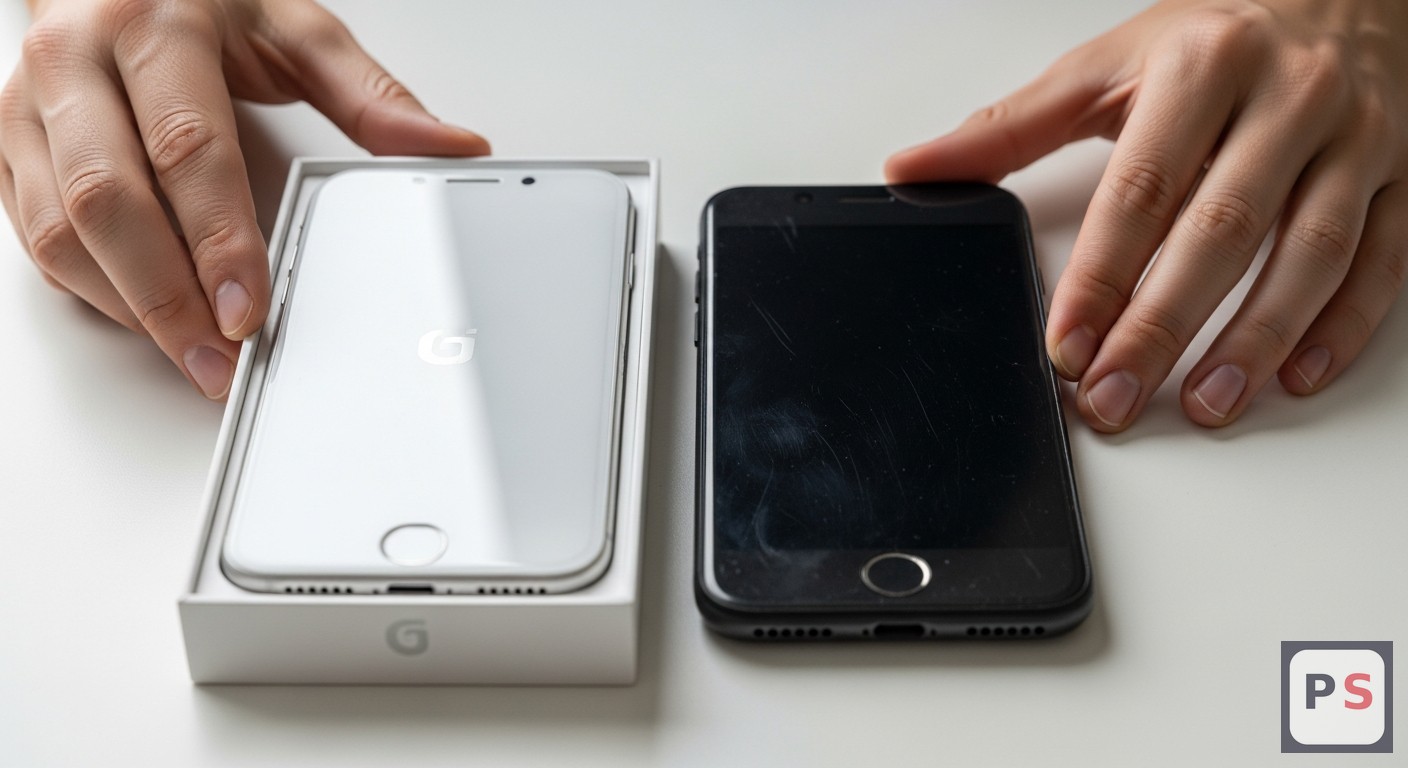
This might be wrong but I think a lot of buyers assume ‘refurbished’ means ‘new battery.’ It often doesn’t. Unless the listing explicitly states battery replacement or shows a battery health percentage above 85%, you’re probably getting a tired battery inside a cleaned-up body.
A 2024 consumer survey by Which? magazine found that battery issues accounted for 43% of all complaints about refurbished electronics purchased through third-party online platforms — more than screen defects and software problems combined.
That number shocked me, honestly. Nearly half of all complaints trace back to one thing that’s completely invisible until you’ve been using the device for a few weeks.
- ¡Los expertos en mejoras del hogar deducibles de impuestos están llamando a una mina de oro oculta — y la mayoría de los propietarios no tienen idea!
- The Small Financial Trade-Offs That Are Quietly Draining Your Wealth (And Most People Have No Idea)
- Vous recherchez constamment l’amélioration personnelle mais vous ne changez jamais — La science vient d’expliquer pourquoi
The Grading System That Means Nothing
Here’s something I had no idea was a thing until I read the Morning Call piece more carefully. The ‘Grade A / Grade B / Grade C’ system that refurbished sellers use? It’s entirely self-reported. There is no global body, no ISO standard, no regulatory framework defining what Grade A means.
One seller’s Grade B is another seller’s Grade A. A device described as ‘minor cosmetic wear’ might arrive with scratches you’d find unacceptable on a $600 purchase. And because grading is subjective and unregulated, there’s essentially no recourse beyond the seller’s own return policy.
Consumer Reports, in their recent coverage of smart shopping for 2026, echoed a similar warning — the lack of standardization in used and refurbished goods is one of the top friction points for buyers this year.
So When Does Buying Refurbished Actually Make Sense?
Look, I’m not saying never buy refurbished. The economics can genuinely work in your favor — but only under specific conditions.
First: source matters more than price. Manufacturer-certified is always worth paying a small premium over a random third-party listing, even if the price gap is smaller. You’re paying for actual accountability.
Second: the discount needs to be meaningful. If a refurbished device is only 15% cheaper than new, the math rarely works out — especially once you account for the risk of early battery failure or having to eat a repair cost. I’d personally want to see at least 30-40% off before seriously considering a non-certified refurb.
Third: check the return policy before anything else. Anything under 30 days is a red flag — problems with electronics often don’t surface in the first two weeks. And make sure ‘return’ means a full refund, not just an exchange for another refurb unit from the same questionable stock.
Fourth, and this one’s practical: always ask for battery health documentation before paying. For smartphones, a seller worth trusting should be able to show you a screenshot of the battery health percentage. If they can’t or won’t — walk away. That’s not paranoia, that’s just sensible.
Refurbished Deal Checker
Enter the new retail price and the refurbished price to see if the deal is actually worth it.
Buying Refurbished Electronics Risks in 2026: The Bottom Line
The refurbished market isn’t going anywhere. It’s growing every year, and when it works, it genuinely works well. I have a refurbished laptop from a manufacturer-certified program that’s been flawless for two years. But I also have a refurbished phone I bought from a third-party marketplace that needed a battery replacement at month four — wiping out every cent of savings.
The Morning Call piece was blunt about this: the industry needs standardized grading and clearer disclosure rules. Until that happens — and honestly, it might not happen soon — the burden is entirely on buyers to ask the right questions. Use the calculator above before you commit to any refurb purchase. Check the source, verify the warranty, demand battery health info.
And if the deal feels just a little too good? It probably is.
Last updated: May 12, 2026