
Key Takeaways
- A major new Pew Research Center study published this month found that the majority of online health influencers lack verifiable medical credentials.
- Follower counts, production quality, and emotional storytelling create false trust signals that override critical thinking.
- Parasocial relationships — the sense that you know an influencer — are a documented psychological reason people stop questioning what they are told.
- Free, credible health resources from WHO, peer-reviewed databases, and licensed practitioners are widely available — most people just do not default to them.
- A two-step habit — checking credentials before consuming AND searching for a second independent source — meaningfully reduces exposure to harmful health misinformation.
I came across the Pew Research Center’s new report this week — the one titled Trust in Health and Wellness Influencers — and honestly, I could not stop thinking about it for the rest of the day. The question of who is giving you health advice online sounds almost too obvious to ask. But the answer, according to Pew’s data, is genuinely unsettling in a way I was not prepared for.
What the Pew Research Study Actually Found About Who Is Giving You Health Advice Online
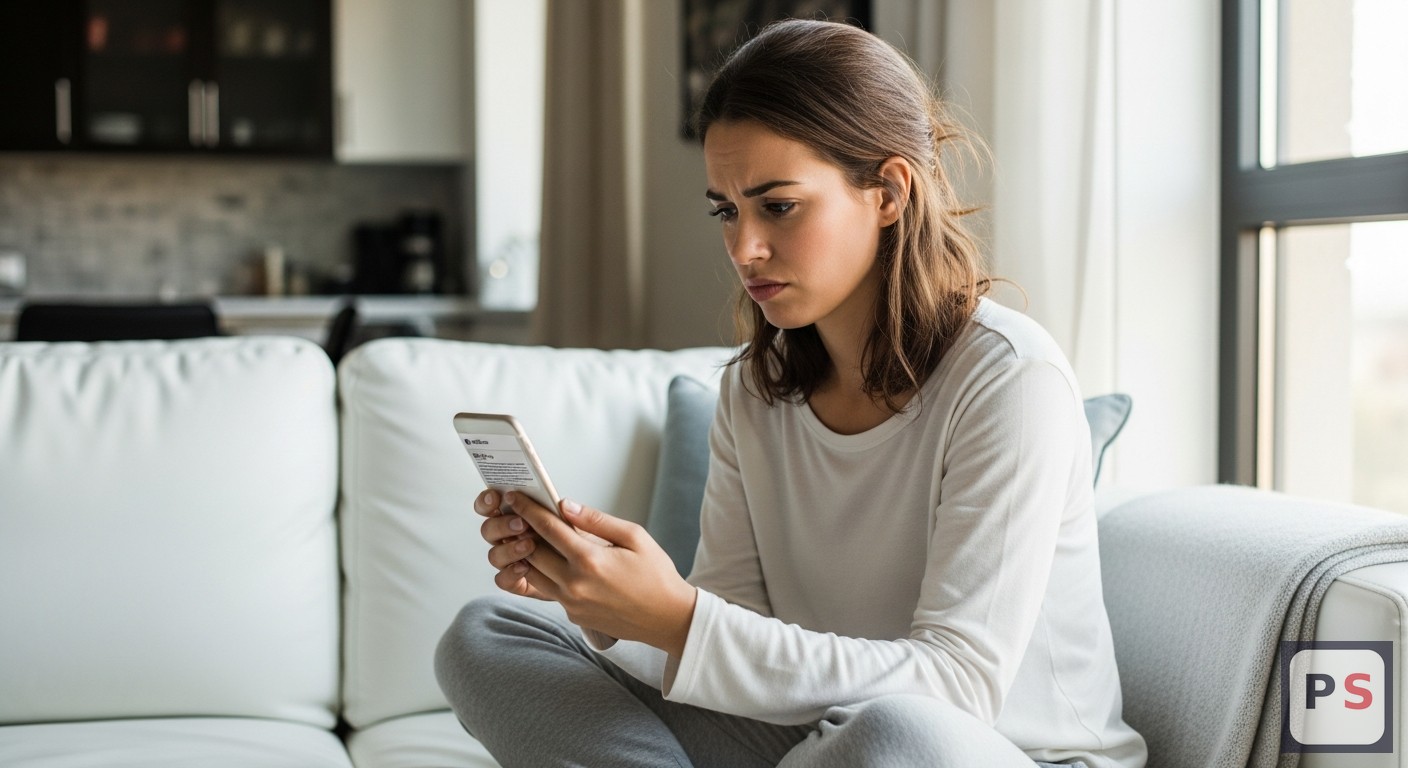
The Pew Research Center — which is about as credible a source as you can get for public opinion and media research — released findings this month examining who Americans turn to for health and wellness information, and critically, who those sources actually are. And the companion report, Moms, Coaches, Doctors, Entrepreneurs: Who Are America’s Health and Wellness Influencers?, mapped out the landscape in detail.
Here’s the part that stopped me cold. The study found that a significant share of the most-followed health content creators online are not medical professionals. They’re life coaches, fitness enthusiasts, entrepreneurs, and — notably — parents sharing personal stories. That’s not automatically bad. Personal experience matters. But the problem is the framing.
Most of this content is presented with the same confidence and visual authority as actual clinical advice. Same clean aesthetics. Same calm, knowledgeable tone. And the audience — that’s us — often can’t tell the difference.
The majority of adults who follow health influencers say the content feels trustworthy — but very few could name the actual credentials of the people they follow. — Pew Research Center, May 2025
What’s wild is that trust wasn’t primarily driven by expertise. It was driven by relatability and consistency. People trust someone who shows up in their feed every day and talks like a normal human more than they trust a hospital website that sounds like a legal document. That’s a psychological feature, not a bug — and people with bad information know exactly how to exploit it.
The Parasocial Problem — Why Your Brain Thinks the Influencer Is Your Friend
There’s a term psychologists use: parasocial relationship. It describes the one-sided emotional bond you form with a media figure — a podcaster, a YouTuber, a TikTok creator — where you feel like you know them, even though they have no idea you exist.
Research on parasocial relationships (there’s a solid body of work on this going back decades) consistently shows that these bonds activate the same neural trust pathways as real friendships. So when your favourite wellness creator says this supplement changed my life, your brain partially processes that the way it would process a recommendation from a close friend.
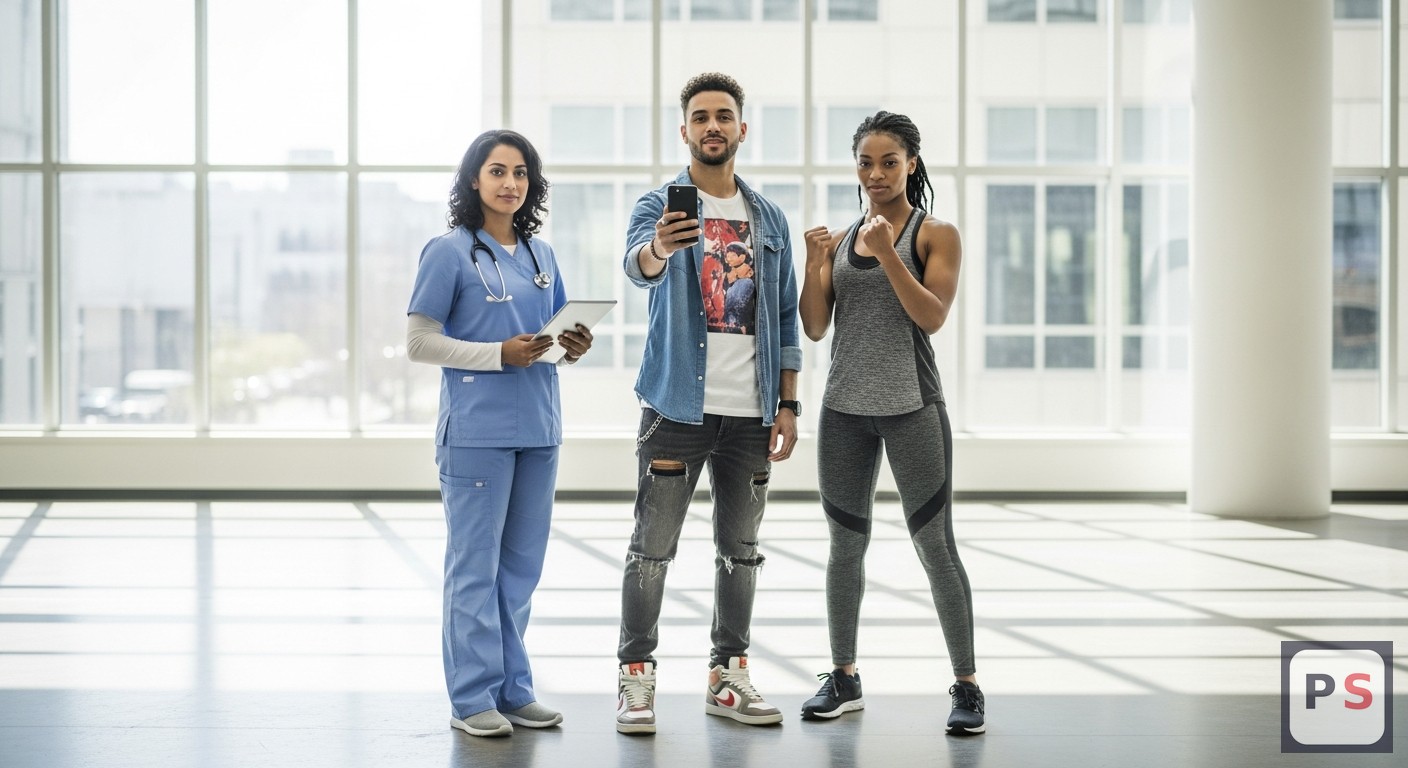
That’s not a metaphor. That’s neurological. And it means your critical thinking gets bypassed in a way it wouldn’t if you were reading a pamphlet from an anonymous source. A stranger handing you a flyer about miracle supplements feels suspicious. The same information from someone you’ve watched 300 videos of feels like a warm tip from a trusted person.
This is why the Pew findings are so alarming. It’s not just that unqualified people are giving health advice. It’s that the medium itself — social media, with its parasocial mechanics — makes that advice land harder and stick deeper than it should.
Real Numbers, Real Consequences
I want to get specific here, because this stops being abstract when you attach real outcomes to it.
The World Health Organization has documented that health misinformation — what they’ve formally called an infodemic — contributed to measurable public health harm globally during the COVID-19 period, including delayed treatment-seeking, uptake of unproven remedies, and vaccine hesitancy. That’s not speculation. That’s WHO data from peer-reviewed analysis published in journals like The Lancet.
On a more everyday level, the supplement industry is a useful lens. Global dietary supplement sales exceeded $170 billion USD in 2023 according to industry reports — a market driven significantly by social media promotion. A meaningful chunk of that growth has been traced to influencer content. And multiple studies, including one published in JAMA Internal Medicine, found that a large percentage of supplements marketed via social media make claims that are not supported by clinical evidence.
So there’s a direct line: influencer without credentials → confident health claim → consumer purchase → no actual benefit (and sometimes harm).
| Source Type | Average Trust Level (Pew) | Typical Credential Verification |
|---|---|---|
| Licensed physician / specialist | High — but seen as distant | Verifiable through medical boards |
| Wellness influencer (no credentials) | High — perceived as relatable | Rarely verified by audience |
| Personal trainer / life coach | Medium-high | Sometimes — certifications vary widely |
| WHO / peer-reviewed research | Medium — seen as boring | Publicly available, rarely consulted |
- La conversación sobre dinero con tus padres que la mayoría de las familias evitan — y lo que eso calladamente le cuesta a todos
- Steuerabzugsfähige Hausverbesserungen sind eine versteckte Goldmine – und die meisten Hausbesitzer ahnen nicht, was ihnen entgeht
- 14 Mundane Routines That Science Claims Secretly Transform Your Life — And You Might Be Overlooking Them
So What Do You Actually Do With This Information?
I’m not going to tell you to stop following health creators. That’s not realistic, and honestly, some of them are genuinely knowledgeable. What I will say is that who is giving you health advice online should be the first question you ask — not the last.
Here’s the two-step habit that makes a measurable difference. First: before you act on any health advice, google the person’s full name plus credentials or background. Takes 45 seconds. You’ll often find out quickly whether they have any actual training — or whether their authority comes entirely from an aesthetically pleasing feed.
Second: find one independent source for any significant health claim. Not another influencer. An actual journal, a WHO bulletin, a national health authority. PubMed is free and public. The WHO’s website is free and public. These aren’t locked behind paywalls. We just don’t default to them because they’re less emotionally satisfying than watching someone explain things on camera with good lighting.
The Pew study isn’t saying influencers are evil. It’s saying the system has a credentials gap that most of us aren’t aware of — and that our brains are working against us when we try to evaluate it instinctively. Knowing that is half the battle. Acting on it is the other half.
🧠 How Well Do You Vet Your Health Sources?
Based on the Pew Research findings — 5 quick questions to find out your health media literacy score
1. When you see a health tip from someone on social media, what do you usually do first?
2. A popular wellness influencer with 2 million followers recommends a supplement. How much does follower count influence your trust?
3. You read a headline: “New Study Proves Coffee Cures Anxiety.” What is your reaction?
4. A health influencer says they “did their own research.” How do you take that?
5. When does personal health advice from someone online feel most legitimate to you?
One last thing. The next time you feel genuinely convinced by a health video — like, deeply sure that you should try something — that's probably the moment to pause the hardest. Because that feeling of certainty is exactly what a parasocial bond produces. And it has nothing to do with whether the advice is actually safe.
Last updated: May 22, 2026