Key Takeaways
- A major Pew Research Center study from this month revealed that moms, coaches, and entrepreneurs — not doctors — dominate the health influencer space globally.
- Most people consuming health content online cannot identify whether the person giving advice is medically qualified.
- The WHO has documented that health misinformation spreads six times faster than verified health guidance on social platforms.
- There are simple, fast habits you can build to filter good health information from noise — without becoming a research scientist.
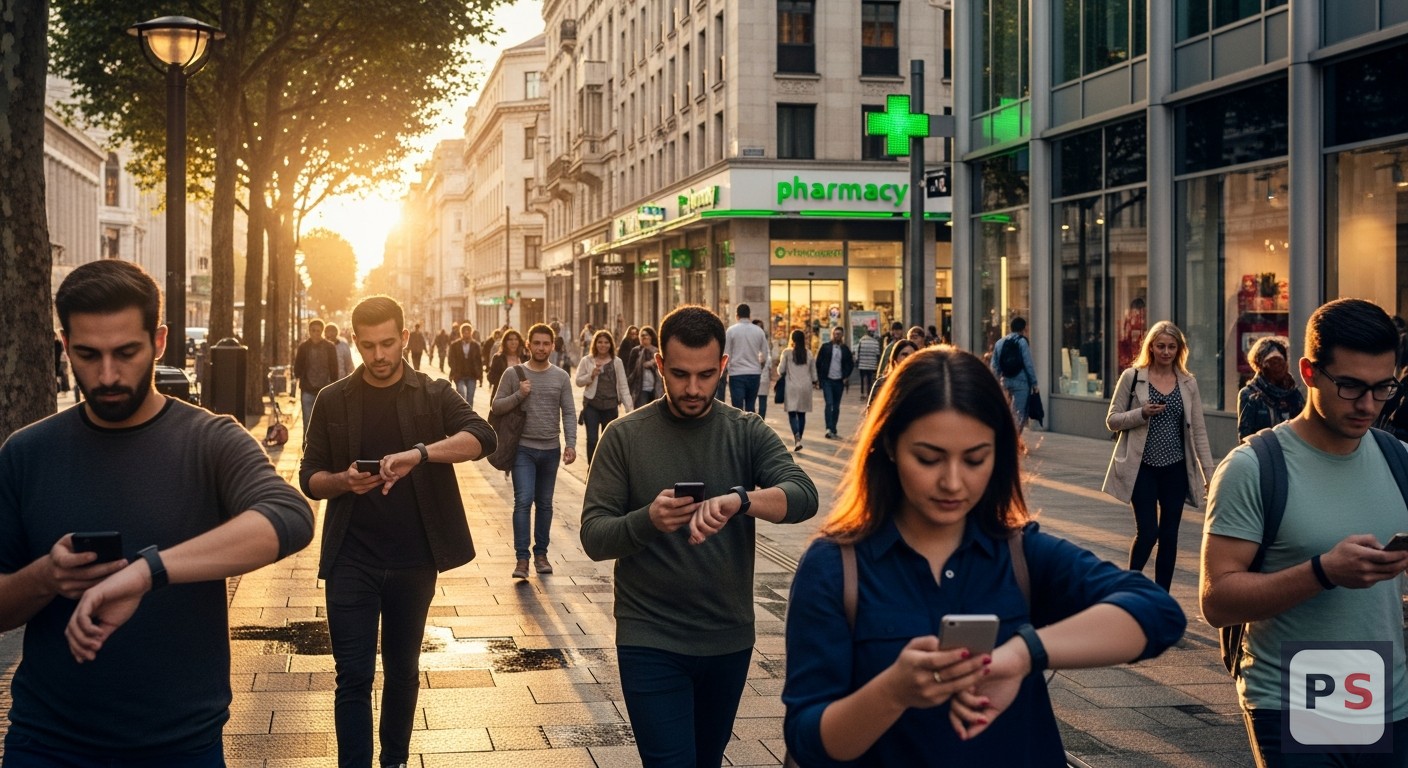
I came across a headline from the New York Times last week that stopped me mid-scroll: Who Are You Getting Your Health Advice From? And I genuinely had to sit there for a second because — honestly? — I wasn’t sure I could answer it confidently. That’s when I found the new Pew Research Center report it was referencing, published this month, which maps out who is giving health advice online and just how far removed most of those voices are from actual medicine. The findings are not what I expected.
What the Pew Study Actually Found About Who Is Giving Health Advice Online
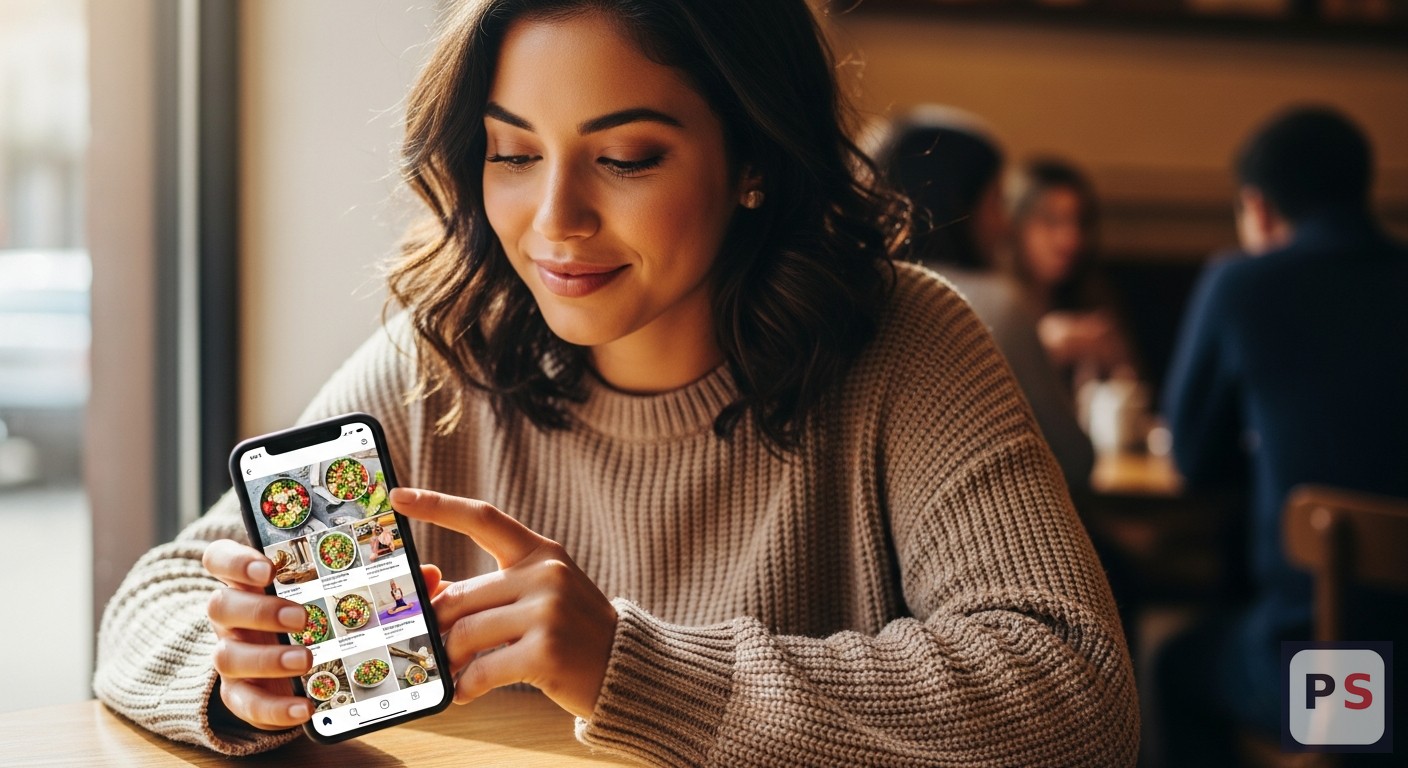
The Pew Research Center surveyed thousands of adults across the United States — but the patterns it uncovered are very much a global story. According to the report, the largest categories of people sharing health and wellness content online are mothers, fitness coaches, and entrepreneurs running supplement or lifestyle brands. Licensed physicians and researchers are a small minority of the health influencer ecosystem.
Here’s what shocked me most: the study found that adults under 40 are significantly more likely to say they’ve changed a health behaviour — what they eat, what supplements they take, how they manage stress — based on advice from a non-medical source online than from a doctor visit. Think about that. More likely to act on a reel from a coach than on a conversation with a clinician.
And this isn’t a moral failure of these influencers. Most are sharing genuinely lived experience — a mom managing her child’s eczema, a coach who dropped 20 kilograms and wants to help others. The problem, as the Pew researchers point out, is that personal experience and medical guidance are not the same thing, and online platforms don’t make that distinction clear. There’s no label that says ‘this person has no formal training.’ There’s just a confident voice and a large following.
Most Americans cannot identify the credentials — or lack thereof — of the health content creators they follow most regularly. — Pew Research Center, July 2026
Why This Problem Is Not Limited to One Country
I want to be clear: even though the Pew data comes from US respondents, the underlying mechanics are completely global. Instagram, TikTok, and YouTube operate the same recommendation algorithms in Mumbai, Lagos, São Paulo, and Stockholm. The World Health Organization flagged this in their 2024 ‘Infodemic’ report — health misinformation spreads six times faster than verified health guidance on major social platforms. Six times.
And the stakes are real. The WHO documented cases where viral health misinformation — things like incorrect guidance on managing fevers, false claims about vaccine interactions, or dangerously restrictive diets framed as ‘healing protocols’ — led to measurable rises in preventable hospitalisations in multiple countries. This isn’t a hypothetical future risk. It’s already happening.

What makes it especially tricky is that bad health information rarely looks obviously wrong. It usually sounds warm, personal, relatable. It comes packaged with someone’s transformation photos or a compelling personal story. Our brains — and this is backed by behavioural psychology research from University College London — are wired to trust narrative over data. A story about how someone cured their chronic fatigue with a specific herbal protocol will be more convincing to most people than a dry clinical trial abstract, even if the clinical trial is vastly more reliable.
The Three-Category Problem the Pew Report Identifies
The Pew report breaks down health influencers into roughly three groups, and understanding the difference actually helps a lot when you’re deciding what to trust.
The first group is lived-experience sharers — people talking about their own journey. This content can be genuinely valuable for emotional support and community, but it should never be taken as universal medical advice. What worked for one person’s body in one context may be irrelevant or even harmful for yours.
The second group is credential-adjacent voices — fitness coaches, nutritionists with non-medical certifications, wellness entrepreneurs. These people often have real knowledge in a specific domain. A certified personal trainer knows a lot about movement mechanics. But that expertise has hard limits, and the platforms they use don’t signal those limits.
The third group is actual licensed clinicians — doctors, nurses, pharmacists, registered dietitians — who are increasingly building public profiles to push back on misinformation. This group is the smallest but growing. If someone in your feed has ‘MD’, ‘RN’, or ‘RD’ after their name — and you’ve verified it — their clinical advice is on a genuinely different level of reliability.
- A cada día te sumerges en la investigación de la mejora personal, pero nada cambia — La trampa cerebral oculta que la ciencia acaba de revelar
- Quem Está Realmente Te Dando Conselhos de Saúde Online — E Por Que a Resposta Deve Te Preocupar
- Die stille Kommunikationslücke durch KI in der Versicherungsbranche kostet Sie wertvolle Ansprüche – Hier ist, was Versicherer Ihnen nicht erzählen werden
How to Build a Two-Second Filter Without Being Cynical
I’m not suggesting you trust nothing online. That would make the internet useless and also be extremely exhausting. What I’ve started doing since reading this research is applying a quick mental checklist whenever a piece of health content makes me want to actually do something — change a supplement, try a new diet structure, stop or start a medication.
First: what is this person’s actual background? Not how confident they sound, not how many followers they have. You can usually find this in two seconds on their profile page or a quick search. If there’s no professional background listed anywhere, treat the advice as anecdote, not guidance.
Second: does this advice ask me to spend money or avoid professional care? This is a huge red flag that the Pew report specifically called out. Content that pushes proprietary supplements — often sold by the same influencer — or encourages people to manage serious symptoms without seeing a doctor is in a different risk category entirely.
Third: cross-reference with one official source. WHO.int, your national health authority’s website, or a peer-reviewed health database like PubMed. You don’t need to read a full study. Just seeing whether the claim even exists in verified literature takes under a minute.
🧠 Quiz: How Reliable Is Your Health Information?
Answer 5 quick questions and find out how exposed you are to unreliable health advice online.
1. Where do you most often discover new health tips?
Question 1 of 5
Who Is Giving Health Advice Online to You, Specifically?
Here’s the exercise that actually stuck with me from reading about the Pew findings. Open your social media feed right now and scroll to the first health-related piece of content you see. Ask yourself: could I name this person’s qualifications? Do I actually know if they have any formal training? If the answer is no — and for most of us it will be — that’s not a reason to panic. It’s just useful information.
The Pew researchers aren’t saying that non-medical voices have nothing valuable to offer. They’re saying we need to get better at knowing what kind of value we’re receiving. Emotional support, motivation, community — that’s real and it matters. But it’s different from clinical guidance, and confusing the two is where things go wrong.
The good news? Health media literacy is a learnable skill. It doesn’t require a science degree. It just requires the habit of pausing for two seconds before you act on something — and that’s a habit worth building.
Last updated: July 15, 2026