
Key Takeaways
- Investopedia just reported that destination dupes can cut vacation budget costs by 40–60% with almost no sacrifice in experience quality.
- A destination dupe means visiting a lesser-known place that gives you the same vibe as a famous spot — at a fraction of the price.
- The biggest savings come from combining a dupe destination with shoulder season travel (May, September, October).
- Most travelers still default to viral, overcrowded spots — meaning the dupe strategy is still relatively uncrowded itself.
- You can apply this framework to every continent — there is no region without hidden, affordable alternatives to famous destinations.
I stumbled onto a piece on Investopedia this week titled How Destination Dupes Can Cut Your Vacation Budget Dramatically and honestly I could not stop thinking about it. The concept is not entirely new — but the data behind it kind of shocked me. We are not talking about a 10% discount. We are talking about travelers consistently saving 40 to 60 percent on their total trip cost just by choosing a slightly different destination. And yet most people are still booking the same overcrowded, overpriced spots year after year.
So I dug into it. Here is everything I found — and what it actually means for your next trip.
What Destination Dupes Actually Means — And Why It Is Not Just a TikTok Trend
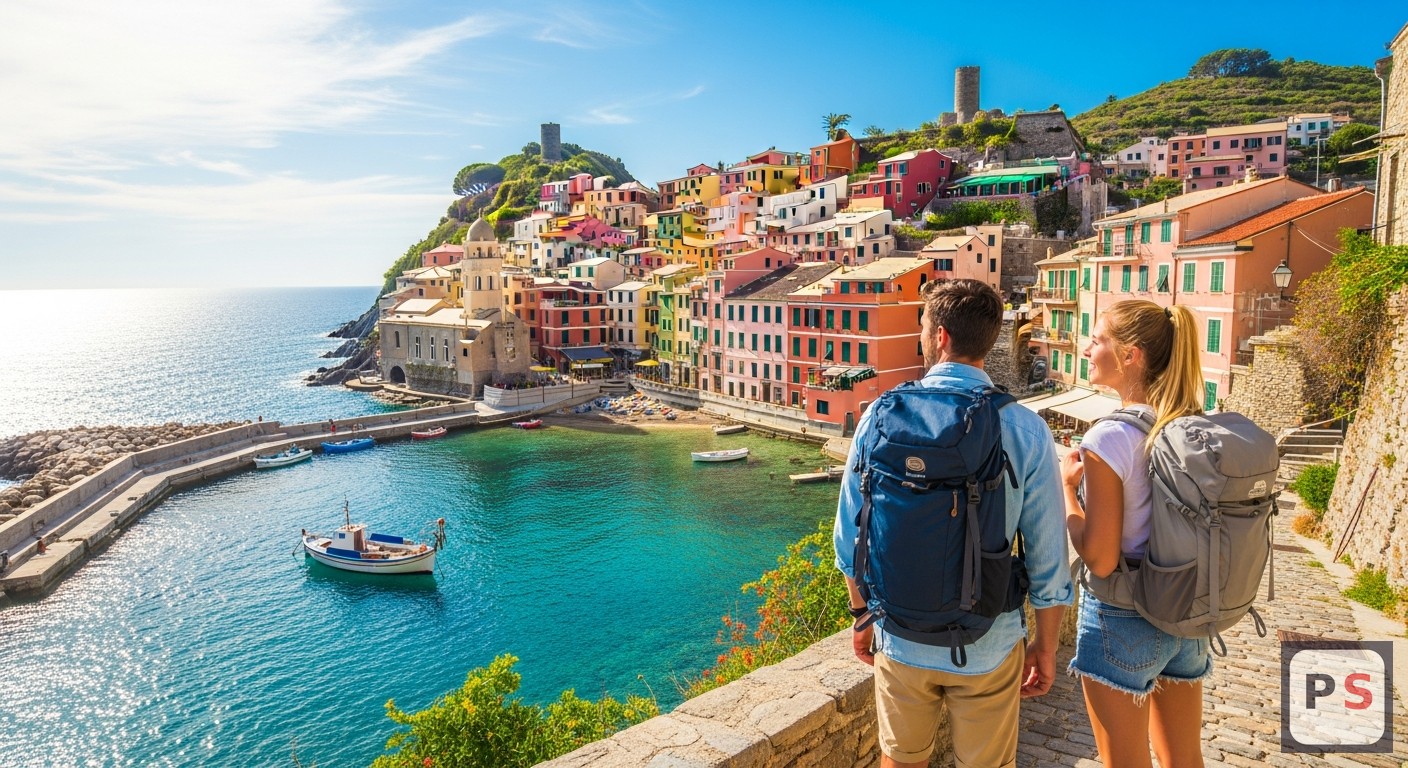
The term sounds like beauty product jargon — a dupe in that world means a cheaper version of an expensive item that works just as well. Travel borrowed the word, and it fits perfectly. A destination dupe is a place that gives you essentially the same experience as a famous tourist hotspot, but without the inflated prices, the cruise ship crowds, or the two-hour queue for a photograph.
The Investopedia report highlighted several pairings that are genuinely eye-opening. Instead of Bali, travelers are visiting Lombok — same volcanic scenery, same rice terraces, same beach quality, but with nightly accommodation costs roughly 45% lower. Instead of the Amalfi Coast in Italy, people are discovering the Cilento coast just a few hours south — less Instagram-famous, but arguably more beautiful, and with restaurant meals costing about half the price.
And here is the thing that really got me: the dupe destinations are often not worse. In many cases, locals will tell you they prefer them. The famous version just had better marketing at some point in history, and now the crowds and prices have completely spiraled.
According to the Investopedia analysis, a typical week in Santorini in July 2026 will cost a couple roughly €4,200 to €5,000 all-in — flights, hotel, food, activities. The Greek island of Milos, about 90 minutes away by ferry, offers near-identical volcanic landscape and whitewashed architecture for approximately €2,100 to €2,800. That is a real, no-exaggeration difference of over €2,000 for one week.
The Destination Dupes That Cut Your Vacation Budget the Most Right Now
I spent a few hours cross-referencing the Investopedia data with recent pricing from Booking.com and Skyscanner, and a few swaps stood out as genuinely dramatic in 2026.
| Famous Destination | Destination Dupe | Estimated Weekly Savings |
|---|---|---|
| Santorini, Greece | Milos, Greece | €1,800 – €2,200 |
| Dubrovnik, Croatia | Kotor, Montenegro | €900 – €1,400 |
| Bali, Indonesia | Lombok, Indonesia | $700 – $1,100 |
| Amsterdam, Netherlands | Ghent, Belgium | €600 – €900 |
| Amalfi Coast, Italy | Cilento Coast, Italy | €800 – €1,300 |
| Maldives | El Nido, Philippines | $1,500 – $2,500 |
I am not entirely sure these numbers account for every variable — flight routes from different origin cities can shift the math — but the direction is consistent across every pairing. The dupe is always significantly cheaper, and in most cases the quality difference is minimal to nonexistent.
Why the French Riviera Story Changed How I Think About This
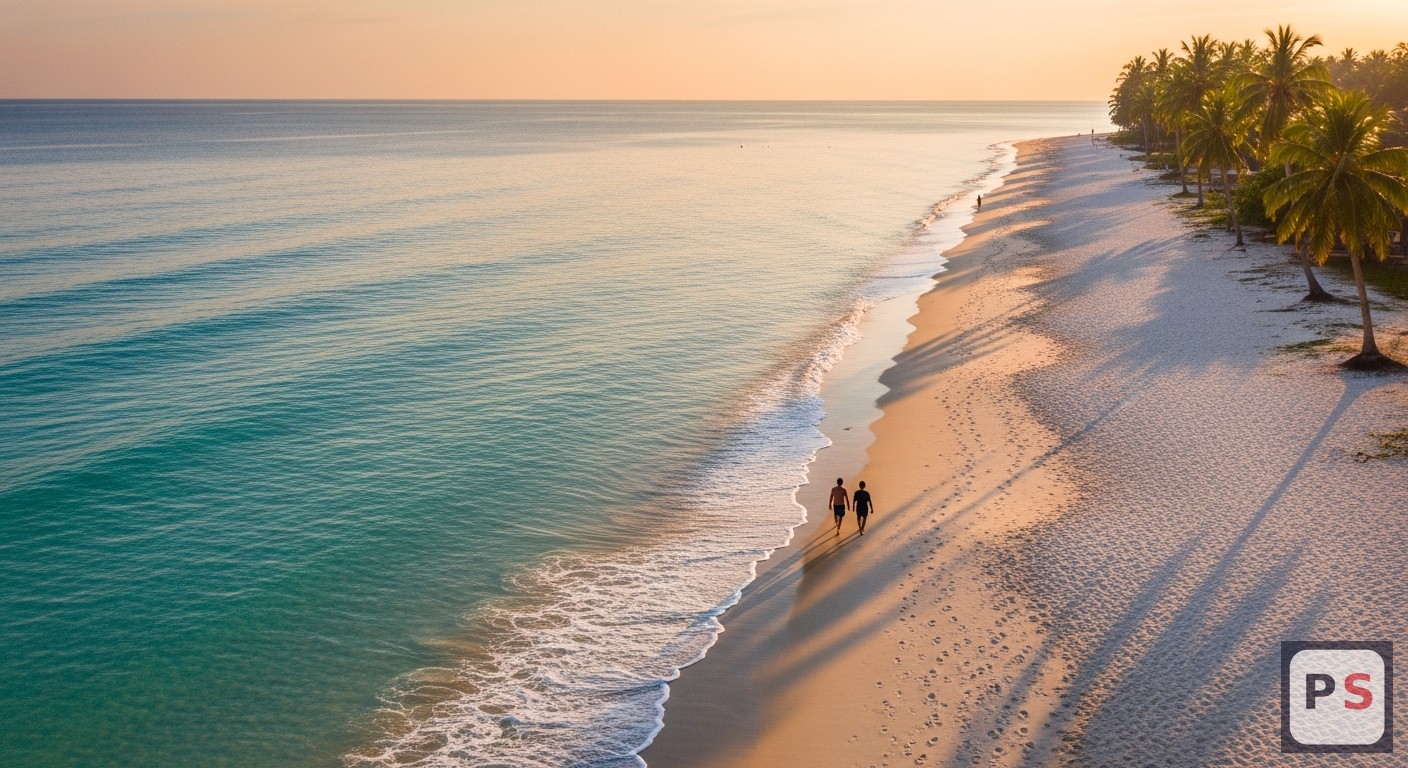
TravelPulse published a fascinating counterpoint this week asking: Can the French Riviera Be a Budget Destination? The answer, surprisingly, is a qualified yes — but only if you apply dupe thinking to when you go, not just where.
Nice in October costs roughly 52% less than Nice in mid-July, according to hotel aggregator data. The weather is still warm enough to swim. The beaches are quieter. The locals are friendlier because they are not exhausted from peak season. And restaurants are more willing to negotiate set menus or lunch specials.
The destination dupe is not always a different place — sometimes it is the same place at a different time. Shifting travel by 6 to 8 weeks can deliver savings equivalent to choosing an entirely different country. — Investopedia, July 2026
This reframing is important. If you genuinely love a specific famous destination and do not want to swap it for an alternative, the temporal dupe — off-peak travel — still cuts your vacation budget dramatically. The Investopedia piece found that combining both strategies (a lesser-known location AND shoulder season timing) produced the largest savings of all — sometimes reducing total trip cost by as much as 62%.
- O Desafio ‘Sem Compras 2026’ Está Viralizando — Mas Aqui Está o Que Ninguém Te Conta Antes de Começar
- 14 Hábitos Aburridos Que Silenciosamente Reconstruyen Tu Vida — Y La Ciencia Acaba de Explicar Por Qué Realmente Funcionan
- 14 habitudes ennuyeuses qui reconstruisent silencieusement votre vie — Et la science vient d’expliquer pourquoi elles fonctionnent vraiment
The Psychology Behind Why Most People Still Do Not Do This
Here is the uncomfortable part. Most travelers know, on some level, that alternatives exist. But they book the famous spot anyway. And the reason, according to a World Tourism Organization behavioral study I found, is social signaling. About 61% of travelers in the 18–40 age group admitted that the shareability of a destination on social media was a factor in their choice — sometimes the primary one.
We are paying a premium to have a recognizable background in our photos. That is wild when you put it that way. And it costs, on average, over €1,500 extra per trip according to the same research.
The destination dupe trend — which Investopedia is now openly tracking as a mainstream consumer behavior — suggests this is slowly shifting. Younger travelers especially are starting to value the discovery story over the brand recognition. I found this hidden gem has become more socially valuable than I went to the same place everyone goes to.
🧳 Are You a Smart Destination Swapper?
Answer 5 quick questions to find out how much you could save with destination dupes.
1. Where do you usually book your summer vacation?
2. How far in advance do you usually book flights?
3. Have you ever chosen a destination mainly because it went viral on social media?
4. What is your biggest travel frustration?
5. How open are you to visiting a place you have never heard of before?
How to Actually Find Your Own Destination Dupes Cut Vacation Budget in Half
The framework is simpler than you would think. Start with the experience you want — not the destination name. Do you want volcanic scenery and clear blue water? Whitewashed villages? Dense jungle with waterfalls? A historic old town with good food and walkable streets? Once you define the feeling, you search for places that deliver that feeling — not the brand-name version of it.
A few practical tools that help: Google Flights Explore map lets you search by budget rather than destination. Booking.com has a similar destinations feature that surfaces alternatives when you search a popular city. And honestly, Reddit travel communities — r/solotravel and r/travel — are full of people who have done exactly this research for every region of the world.
The most important thing, though? Book it before the dupe becomes mainstream. Kotor was a dupe for Dubrovnik five years ago. Now Kotor itself is getting crowded. The cycle moves fast. The travelers who benefit most from destination dupes are the ones who move before the algorithm catches up.
I had no idea this trend was this well-documented until I read the Investopedia piece this week. But now I cannot stop seeing it. Every famous, overpriced travel destination has a shadow version that is cheaper, less crowded, and often more authentic. Most travelers are paying full price. You do not have to.
Last updated: July 23, 2026