
Key Takeaways
- A bill in Michigan’s state legislature is directly targeting the practice of insurance rates based on consumer behavior — and it signals a global trend.
- Data brokers like LexisNexis collect and sell behavioral data to insurers, often without policyholders knowing what’s in their file.
- Factors being tracked include driving habits, fitness data, purchasing patterns, and even social media activity.
- You have rights to request your consumer data report in most countries — and disputing errors in it could lower your premium.
- Opting out of telematics and reviewing app permissions are practical steps you can take today.
I stumbled onto this story three days ago and honestly couldn’t stop reading. A bill headed to Michigan’s state House — reported this week by both Michigan Public and the Consumer Federation of America — is trying to ban insurers from using your personal behavior data to set your premium. And my first thought was: wait, they’re already doing this?
Turns out, yes. Quietly, globally, and for longer than most people realize. The story of insurance rates based on consumer behavior is one of those slow-moving things that suddenly snaps into focus when a lawmaker tries to stop it.
What the Michigan Bill Is Actually Fighting
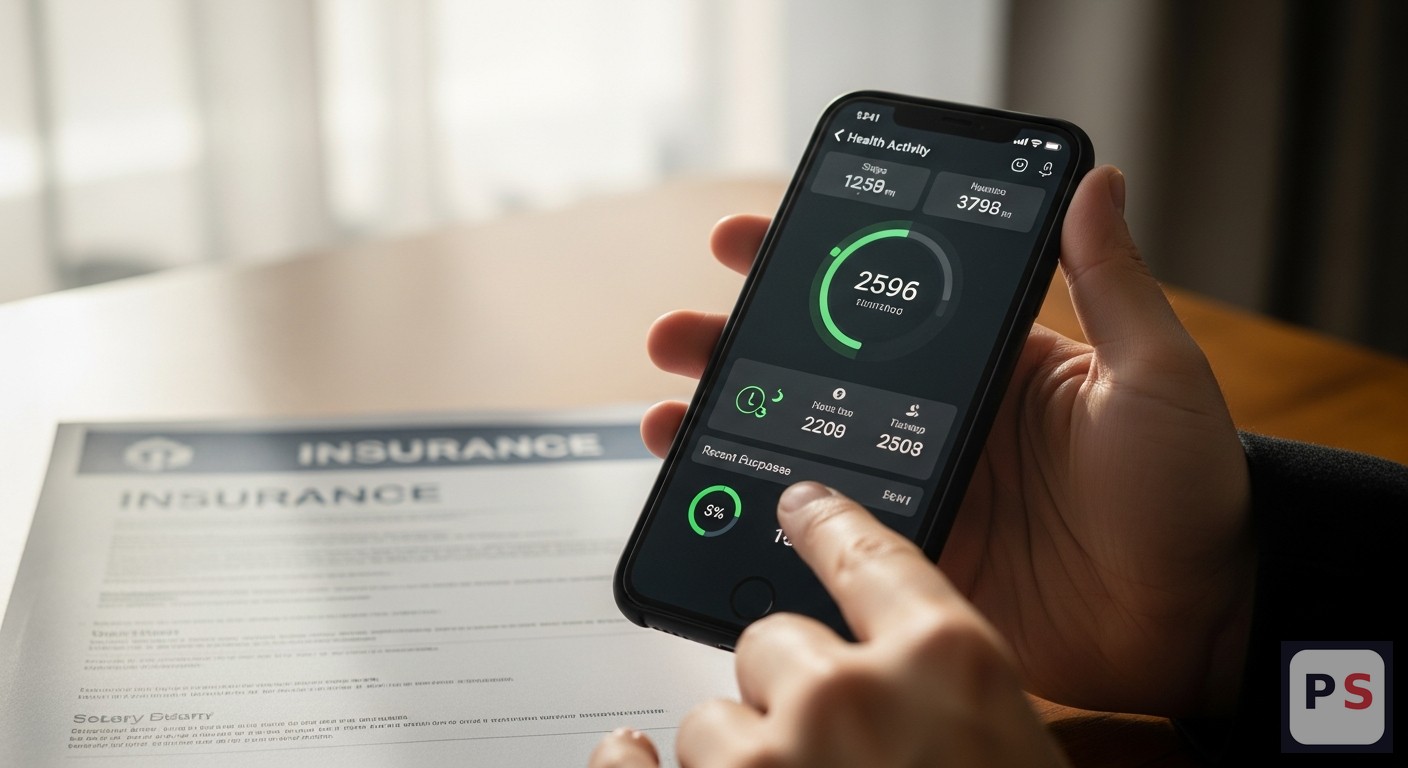
The bill, introduced this month, would prohibit insurers from using what legislators are calling “non-traditional” data — things like your shopping habits, your social media posts, your gym check-ins, or your credit-adjacent financial behavior — to calculate your insurance premium.
This might sound niche. It isn’t. The Consumer Federation of America noted that this type of data use disproportionately harms lower-income policyholders and communities of color — people who may have irregular payment histories or purchasing patterns not because they’re “risky” but because of systemic economic pressures.
And while Michigan is the one making headlines this week, the underlying practice is happening in insurance markets across Europe, Asia, and Latin America. It’s not a US-only problem. It’s a global insurance industry trend.
So What Data Are Insurers Actually Collecting on You?
Here’s where it gets uncomfortable. Insurers don’t always collect your data directly. They buy it — from data brokers.
The company that keeps coming up in recent reporting is LexisNexis Risk Solutions, a data intelligence firm. A separate lawsuit filed this month in the US alleges that GEICO and LexisNexis mishandled disputed claims data, meaning inaccurate information about a policyholder’s history was being used — and reportedly wasn’t corrected even after the customer flagged it.
“Consumers often have no idea a data broker has a file on them — let alone that this file directly influences the price they pay for insurance.” — Consumer Federation of America, July 2026
Beyond claims history, here’s what’s reportedly being tracked and sold in various global markets: your telematics data (how hard you brake, how fast you accelerate), fitness tracker outputs, purchase categories from loyalty programs, and social media activity. Some insurers in Southeast Asia have started piloting premium discounts tied directly to daily step counts. It sounds like a wellness perk. It’s also a data collection mechanism.
The Real Cost — In Numbers

Let’s put some figures on this. According to a 2024 report by the International Association of Insurance Supervisors, behavioral and lifestyle data is now factored into pricing models by an estimated 62% of mid-to-large insurers globally. That’s not a fringe trend.
Studies from the UK’s Financial Conduct Authority found that telematics-based auto insurance can vary a single driver’s annual premium by 15% to 40% depending on driving behavior data. That’s potentially hundreds of dollars — or euros, or pounds — per year swinging on data you didn’t even know was being collected.
And the error rate in these data broker files? A 2023 Consumer Reports investigation found that 1 in 3 people had at least one error in their consumer financial data profile. One error. Affecting their insurance cost. Often without them ever finding out.
| Behavioral Data Type | Who Uses It | Premium Impact (Est.) |
|---|---|---|
| Telematics / Driving Monitor | Auto insurers globally | -40% to +25% |
| Fitness & Health Tracker Data | Life & health insurers (Asia, EU) | -10% to +18% |
| Payment Behavior / Late Payments | Home & auto insurers | +5% to +22% |
| Purchase History (via loyalty cards) | Emerging use, varies by market | +3% to +12% |
| Social Media Activity | Pilot programs, select markets | Unclear, under study |
- El aprendizaje en línea impulsado por IA está reemplazando silenciosamente los títulos tradicionales — y la mayoría de los estudiantes aún no lo han notado
- As imitações de destinos estão cortando os custos de viagem pela metade — E a maioria dos viajantes ainda está pagando o preço total
- Destination Dupes Are Cutting Travel Costs in Half — And Most Travelers Are Still Paying Full Price
Why Insurance Rates Based on Consumer Behavior Are So Hard to Challenge
Here’s the thing that really got me: most people don’t even know this is happening. You renew your policy, you pay the new price, you assume it went up because of “inflation” or “market conditions.” But part of it — increasingly — might be a behavioral profile you can’t see and didn’t consent to share.
Data brokers like LexisNexis operate legally in most jurisdictions. They’re not doing anything secretly illegal — they’re exploiting the gap between what consumers technically agree to (those long terms and conditions nobody reads) and what they actually expect.
The Michigan bill is trying to close that gap legislatively. But even if it passes, it only covers one jurisdiction. And insurance is global.
What You Can Actually Do About This Right Now
This might be wrong — I’m not a lawyer — but from what I read across the Consumer Federation of America’s July 2026 report and several insurer policy pages, here’s what seems practical and legitimate globally:
Request your consumer data report. In the EU, you can invoke GDPR rights to request what any company holds on you. In many other countries, similar consumer data rights exist — check your national data protection authority’s website. For insurance-specific files, ask your insurer directly what data sources they use.
And if you find errors? Dispute them in writing — formally, with your insurer and the data broker. The GEICO/LexisNexis lawsuit making news this week exists partly because disputing data errors wasn’t handled properly. Know that you have that right.
Think twice before opting into telematics programs. The discount sounds great — 10%, 15% off. But if you have any driving quirks (city driving, night shifts, stop-and-go commutes), that device might end up costing you more than it saves. Do the math for your actual situation before saying yes.
Review your app permissions. That health app tracking your sleep and steps? Check whether its privacy policy includes data sharing with “business partners.” That phrase — “business partners” — can sometimes mean insurance-adjacent data brokers.
🔍 Behavior Risk Score Calculator
See how much your lifestyle data could theoretically raise or lower your insurance premium — based on the kind of factors insurers are increasingly tracking globally.
📊 Your Estimated Behavior Premium Impact
⚠️ This is an illustrative estimate based on publicly reported industry patterns — not a real quote. Actual insurer methods vary by country and company. Use this to understand the concept, not as financial advice.
The Bottom Line
The Michigan bill is just one domino. But it’s flipping because the pressure from consumer advocates, researchers, and — honestly — angry policyholders has been building for years. Insurance rates based on consumer behavior aren’t going away tomorrow. But awareness is the first defense.
I’m not saying your insurer is doing anything sinister. I’m saying the system is opaque, the data flows are enormous, and you deserve to know what’s in your file. Go find out. It might cost you nothing. But not finding out? That might be costing you every month already.
Last updated: July 16, 2026