Key Takeaways
- A new Pew Research Center report (July 2026) found nearly 6 in 10 young women now get their health advice from influencers — making influencers more trusted than doctors for this group.
- The risks from health advice from influencers range from wasted money on useless supplements to delayed diagnosis of real conditions.
- Most wellness influencers have no formal medical training — and the word ‘nutritionist’ is unregulated in most countries.
- There are 3 specific red flags that tell you whether an influencer’s health claim is probably safe to investigate further — or dangerous to follow.
- Using influencers as a starting point, not a finish line, is the practical middle ground that actually works.
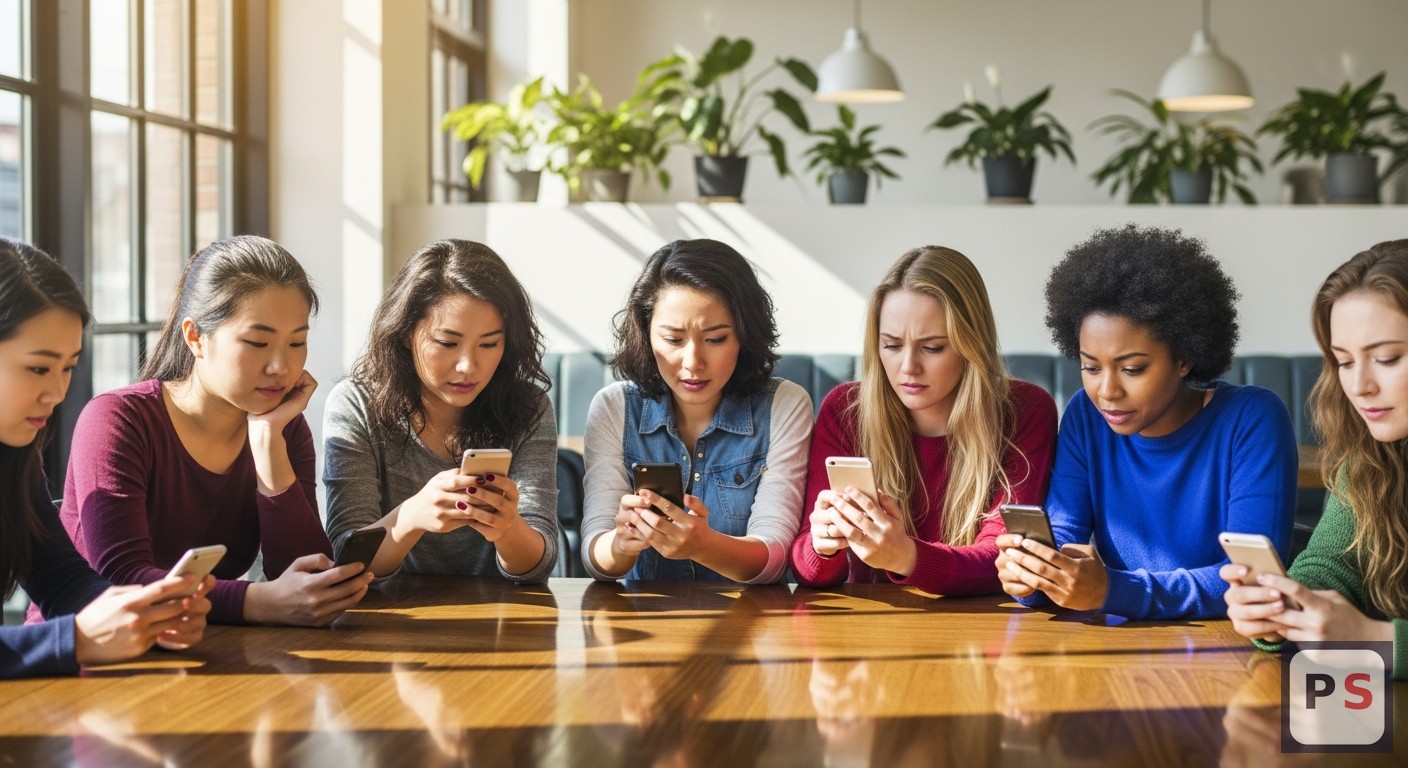
I saw the Pew Research Center headline this week and genuinely did a double-take. Nearly 6 in 10 young women are now getting their health and wellness information from social media influencers. Not from doctors. Not from peer-reviewed studies. From people with ring lights and a discount code for you in the bio. And look — I don’t say that to be snarky. I say it because the health advice from influencers risks here are real, documented, and quietly affecting millions of people right now.
This wasn’t a tiny survey, either. The Pew Research Center polled thousands of people across multiple age groups and the gap between young women and everyone else was striking. Men? Much less likely to turn to influencers. Older women? Also significantly less. It’s a concentrated phenomenon — and it’s accelerating.
Why Influencers Have Become Our Default Health Advice From Influencers Risks
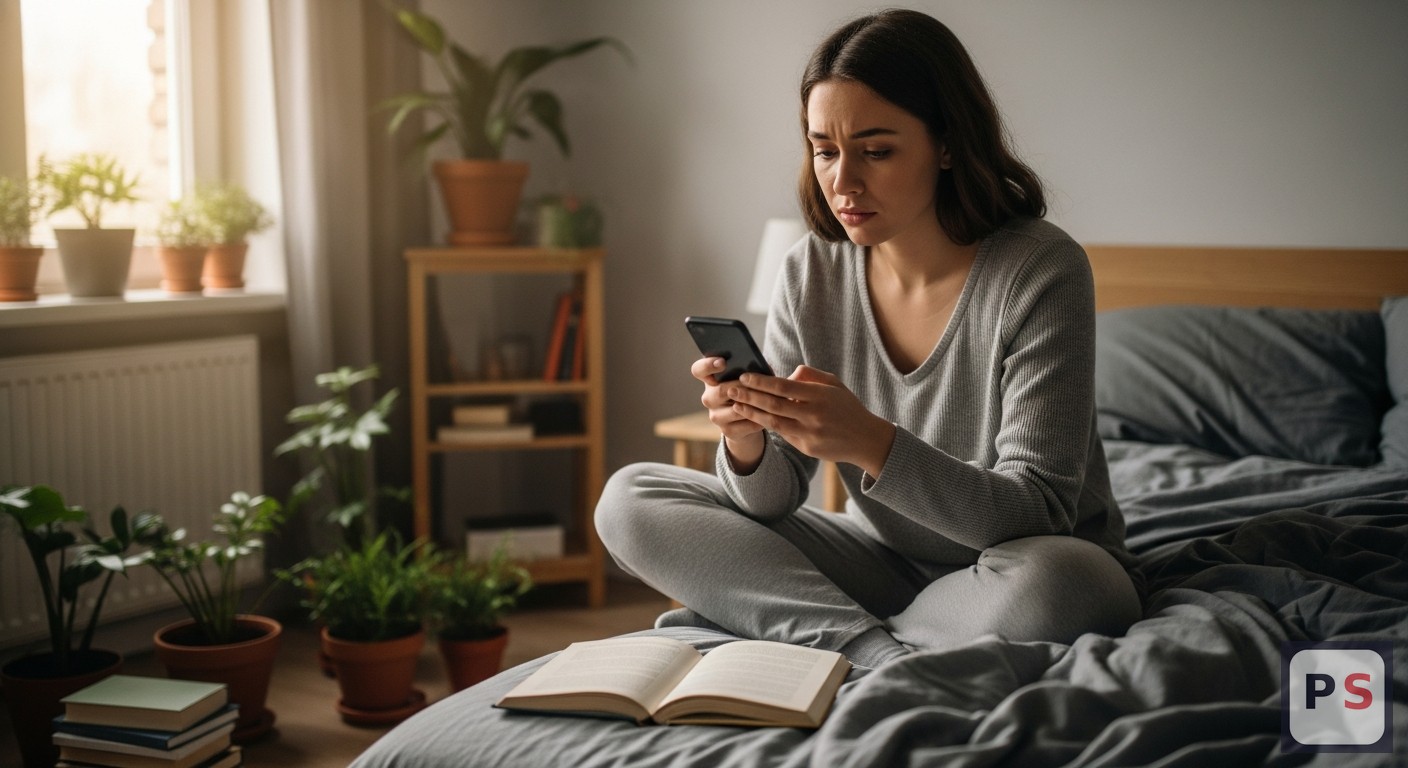
Here’s the thing — it makes total sense that this happened. Think about the barriers between you and a doctor: scheduling an appointment weeks out, sitting in a waiting room, getting 8 minutes of face time with someone who seems rushed, then getting handed a pamphlet you’ll never read. Now compare that to someone on your phone who explains everything in plain language, looks healthy and confident, posts daily, and genuinely seems to care about you.
The parasocial relationship — that’s what psychologists call the one-sided emotional bond we form with content creators — makes influencer advice feel more trustworthy than it statistically should be. A 2024 study in the Journal of Medical Internet Research found that perceived authenticity was the single biggest driver of whether young people trusted a health claim online. Not credentials. Not evidence. Authenticity.
And influencers are extraordinarily good at performing authenticity. They share their struggles. Their before-and-after stories. Their ‘I used to suffer from this too.’ That connection is powerful — and it gets exploited, sometimes intentionally, sometimes not.
“The speed of misinformation on social platforms consistently outpaces any correction. A wrong health claim reaches millions before a retraction reaches thousands.” — a pattern documented repeatedly by WHO’s digital health division since 2022
The Real Cost of Acting on Bad Health Advice From Influencers
Let’s talk specifics. Because this isn’t just abstract ‘misinformation’ — it has real costs in real life.
Supplement spending. The global dietary supplement market hit $177 billion in 2023 (Grand View Research). A significant chunk of that is driven by influencer recommendations. Many of these products have zero clinical evidence behind them. People in Singapore, Germany, Brazil, and Canada are all buying the same magnesium glycinate stack recommended by someone who got paid to mention it.
But the bigger risk isn’t financial. It’s diagnostic delay.
When someone follows an influencer’s advice to treat ‘adrenal fatigue’ — a condition that isn’t recognized by endocrinologists — they may be self-treating actual thyroid disease for months before getting a real diagnosis. When someone treats persistent fatigue with ‘gut healing protocols’ from a wellness creator, they might be delaying investigation of something that needs actual blood work.
The World Health Organization flagged in its 2025 digital health report that misinformation-driven delays in seeking medical care are measurably increasing in countries with high social media penetration. This is global. It’s not a niche problem.
How to Tell If an Influencer’s Health Claim Is Worth Investigating Further
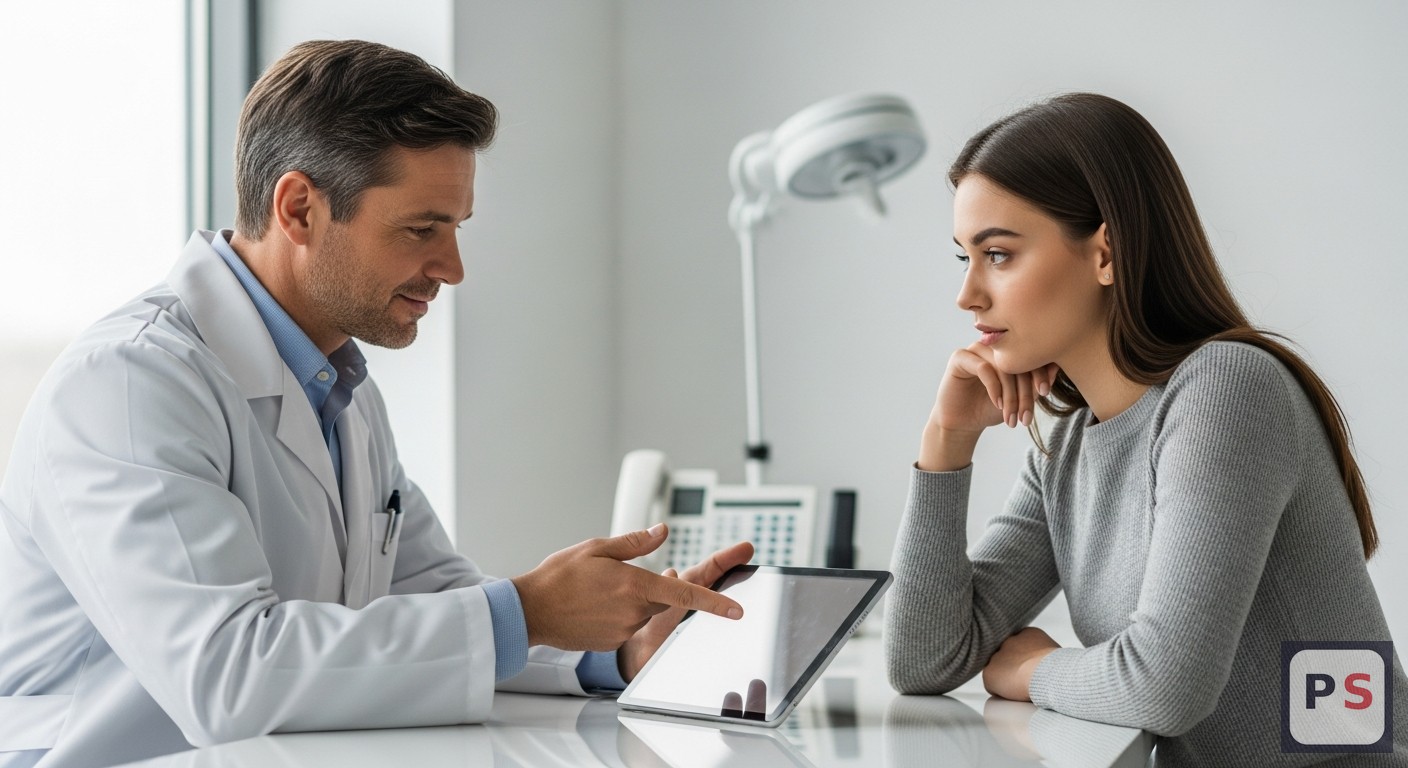
I want to be clear: I’m not saying every wellness influencer is dangerous. Some are genuinely helpful for things like motivation, cooking inspiration, or mental health awareness. But there’s a practical filter I’ve started using after digging into this, and honestly it’s changed how I consume this content.
Here are the red flags that tell you a health claim needs serious skepticism before you act on it:
Red flag 1: They’re selling something attached to the advice. If every recommendation comes with a discount code, that’s not health advice — it’s advertising. The financial incentive doesn’t automatically make the advice wrong, but it means you should verify it independently before buying.
Red flag 2: They use absolute language. ‘This will cure,’ ‘eliminate,’ ‘guaranteed to work,’ ‘doctors don’t want you to know.’ Actual medicine is full of ‘it depends,’ ‘for some people,’ and ‘more research is needed.’ Certainty in health is almost always a performance.
Red flag 3: Their credential is ‘certified nutritionist’ or ‘wellness coach’ — with nothing else. In most countries, including the UK, Australia, Canada, and most of the EU, the title ‘nutritionist’ is completely unregulated. Anyone can use it after a weekend course. The protected title that requires actual university-level clinical training is Registered Dietitian (or equivalent in your country). A ‘certified health coach’ requires even less.
This doesn’t mean they’re wrong about everything — but it means their confidence should be calibrated to their training, and often it isn’t.
Where Do YOU Get Your Health Advice?
See how your answer compares to other PickSurely readers right now.
The Practical Middle Ground That Actually Works
Honestly, going completely cold turkey on health influencers isn’t realistic — and it’s not even necessary. The most useful approach I’ve seen described by actual public health professionals is treating influencers as a discovery layer, not a decision layer.
Let an influencer introduce you to a topic — say, the role of sleep in immune function, or how processed food affects gut bacteria. That’s genuinely valuable. But then take that topic to WHO-published resources, your country’s national health service website, or an actual licensed professional before changing your behavior in a meaningful way.
Think of it like getting a movie recommendation from a friend. The recommendation gets you interested. But you’d still watch the trailer before buying the ticket. Apply the same logic to your body.
The Pew finding isn’t an indictment of young women’s judgment — it’s a reflection of a system that made credible health information hard to access and influencer content extremely easy and emotionally satisfying to consume. Both things can be true.
What matters now is knowing that the health advice from influencers risks are specific and avoidable — and that the three red flags above are genuinely good at separating the content worth your attention from the content worth your scroll.
Your health is worth the extra 10 minutes of verification. I promise the doctor isn’t always right either — but they’re a better starting point than someone who just hit 500,000 followers.
Last updated: July 20, 2026