
Key Takeaways
- Amazon officially announced Prime Day 2026, making now the best window to start tracking prices before they get manipulated upward.
- A significant share of Prime Day discounts are calculated from artificially inflated pre-sale prices — the actual savings are smaller than advertised.
- Free tools like price history trackers let you verify whether a deal is real before you click buy.
- Amazon is not always the cheapest retailer during Prime Day — other online stores often match or beat the same items.
- The smartest Prime Day shoppers make their lists and set alerts weeks before the event, not the morning of.
I saw the ConsumerAffairs headline this week — Amazon just officially announced Prime Day 2026 — and my first reaction honestly wasn’t excitement. It was dread. Not because Prime Day is bad. But because Amazon Prime Day 2026 is a chance to shop smart and most people are going to walk straight into the same traps as every year before. So I spent a few hours digging into how Prime Day pricing actually works, and what I found changed how I’ll approach it completely.
Why Amazon Prime Day 2026 Shop Smart Starts Right Now — Not in July

Here’s something that genuinely surprised me. A Consumer Reports analysis from earlier this year tracked thousands of products across major sale events and found that roughly 35% of items labeled as Prime Day deals had actually been cheaper at some point in the prior 90 days. In some electronics categories, that number climbed higher.
The mechanism is almost embarrassingly simple. A product might sit at €70 for months. A few weeks before Prime Day, the price quietly creeps up to €99. Then on Prime Day, it goes ‘on sale’ for €75. The discount badge reads ‘24% off’ and your brain lights up. But you’re actually paying €5 more than the everyday price.
This isn’t unique to Amazon, by the way. A 2024 study from the European consumer advocacy group Which? found similar inflation patterns on other major platforms before big sale events. It’s a global retail playbook. And the reason it works is pure psychology — we’re wired to anchor on the first number we see. €99 crossed out with €75 underneath feels like a win even when the math says otherwise.
“The sales event creates urgency. The inflated anchor creates perceived value. The countdown timer closes the deal. None of that has anything to do with whether the product is actually cheaper.” — Consumer pricing researcher quoted in a Reuters retail report, May 2026
So the move is to start tracking prices right now — at least 30 days before the event. That gives you a real baseline.
The Free Tool That Exposes Fake Prime Day Deals
There’s a free website called CamelCamelCamel. It sounds absurd. It’s genuinely one of the most useful shopping tools I’ve ever found. It tracks the full price history of virtually any product listed on Amazon — you paste in a product URL and get a graph showing exactly what that item has sold for over time.
If you see the current ‘deal’ price is actually close to the all-time high for that item, you know something’s off. If it’s genuinely near the historical low — that’s a real deal worth taking.
You can also set price alerts. Type in what you’re willing to pay and the site emails you if the price drops to that level. This means you don’t even have to camp out on Prime Day itself. If the deal is real and hits your target, you get a notification wherever you are.
Similar tools exist for other regions and platforms — Idealo is widely used across Europe, PriceSpy covers markets in Scandinavia and the UK, and several browser extensions do real-time comparisons as you browse. The point is: the data is available for free. Most people just never use it.
Amazon Isn’t Always the Cheapest — Even on Prime Day
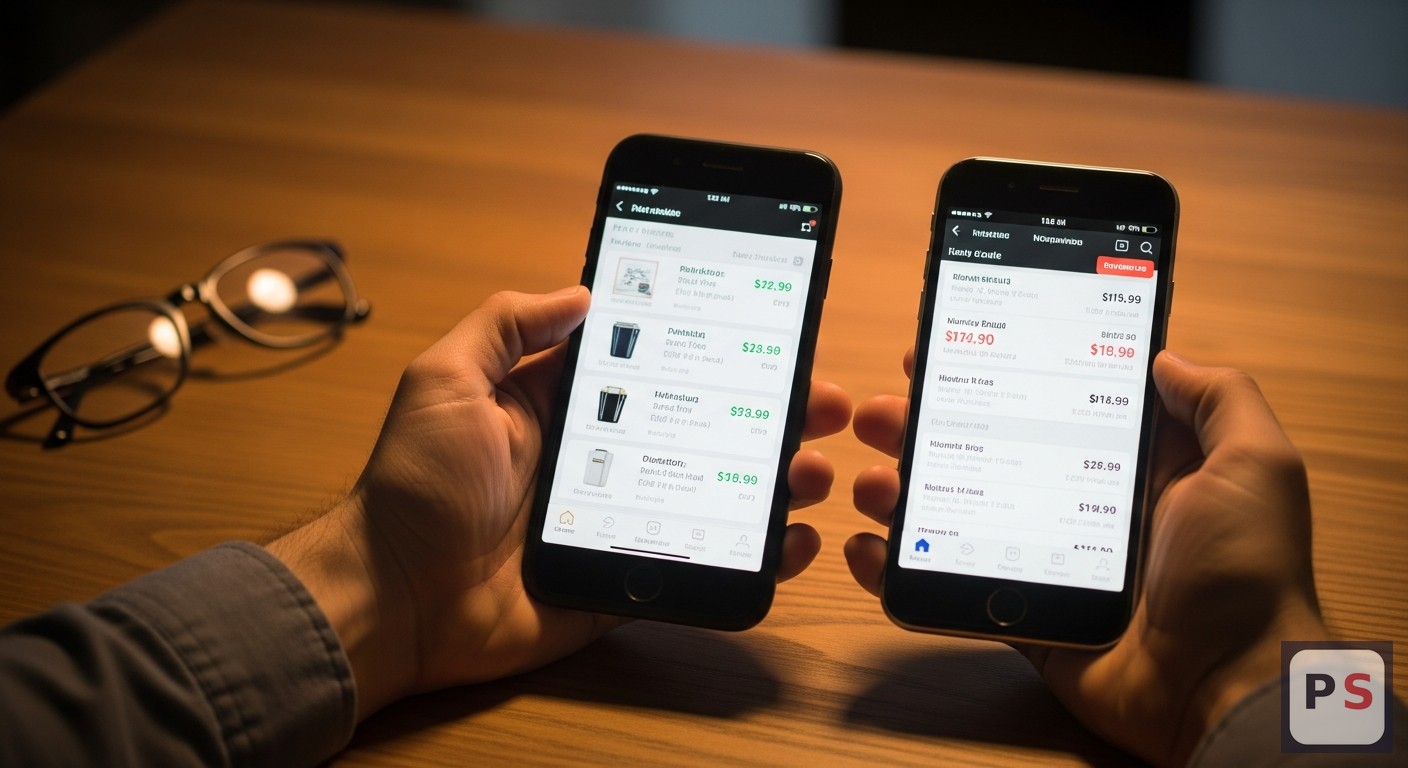
This one genuinely shocked me when I first looked into it. During Prime Day 2025, a price comparison study by NielsenIQ found that across popular electronics and household goods, competing retailers — including local online stores — matched or beat Amazon’s Prime Day pricing on nearly 40% of the top-selling items.
The whole framing of Prime Day is that you need a Prime membership to access the best deals. And sometimes that’s true. But not nearly as often as the marketing implies.
Before you buy anything on Prime Day, it takes about 20 seconds to open another tab and check one competitor. Google Shopping works fine for this. So does simply searching ‘[product name] best price’ in a new window. If Amazon’s price is genuinely the best — great, buy it. But don’t skip the check.
| What most shoppers do | What smart shoppers do instead |
|---|---|
| Trust the discount badge | Check price history with CamelCamelCamel or Idealo |
| Browse on Prime Day morning | Build a wishlist weeks earlier with a price target for each item |
| Assume Amazon is cheapest | Compare with 1-2 competing retailers before checkout |
| Buy anything with a ‘Lightning Deal’ timer | Verify the item was on their list before the sale started |
| Wait for the event to check prices | Set alerts now — buy before Prime Day if prices drop early |
⏱️ Waiting Cost Calculator
Every minute you wait to track prices before Prime Day, average impulse shoppers overpay. See how much adds up while you read.