Key Takeaways
- A new Pew Research Center report (June 2026) reveals that health advice from social media influencers is now a primary source for nearly half of adults under 30 globally.
- A 2024 WHO-referenced analysis found that roughly 1 in 4 pieces of popular health content on social media contains at least one factually incorrect claim.
- Influencer categories — moms, coaches, doctors, entrepreneurs — are presented with equal authority, making it nearly impossible to tell who is actually qualified.
- Parasocial trust (feeling like you personally know a creator) is the main psychological mechanism that makes misinformation from influencers so effective.
- There are four specific checks you can do in under two minutes before acting on any health claim you see online.
The Pew Research Report That Made Me Put My Phone Down
I was scrolling through my news feed last week when a Pew Research Center report stopped me cold. Published this month, it asked a deceptively simple question: who are America’s health and wellness influencers, really? The answer — and what it means for the rest of us — is more unsettling than I expected.
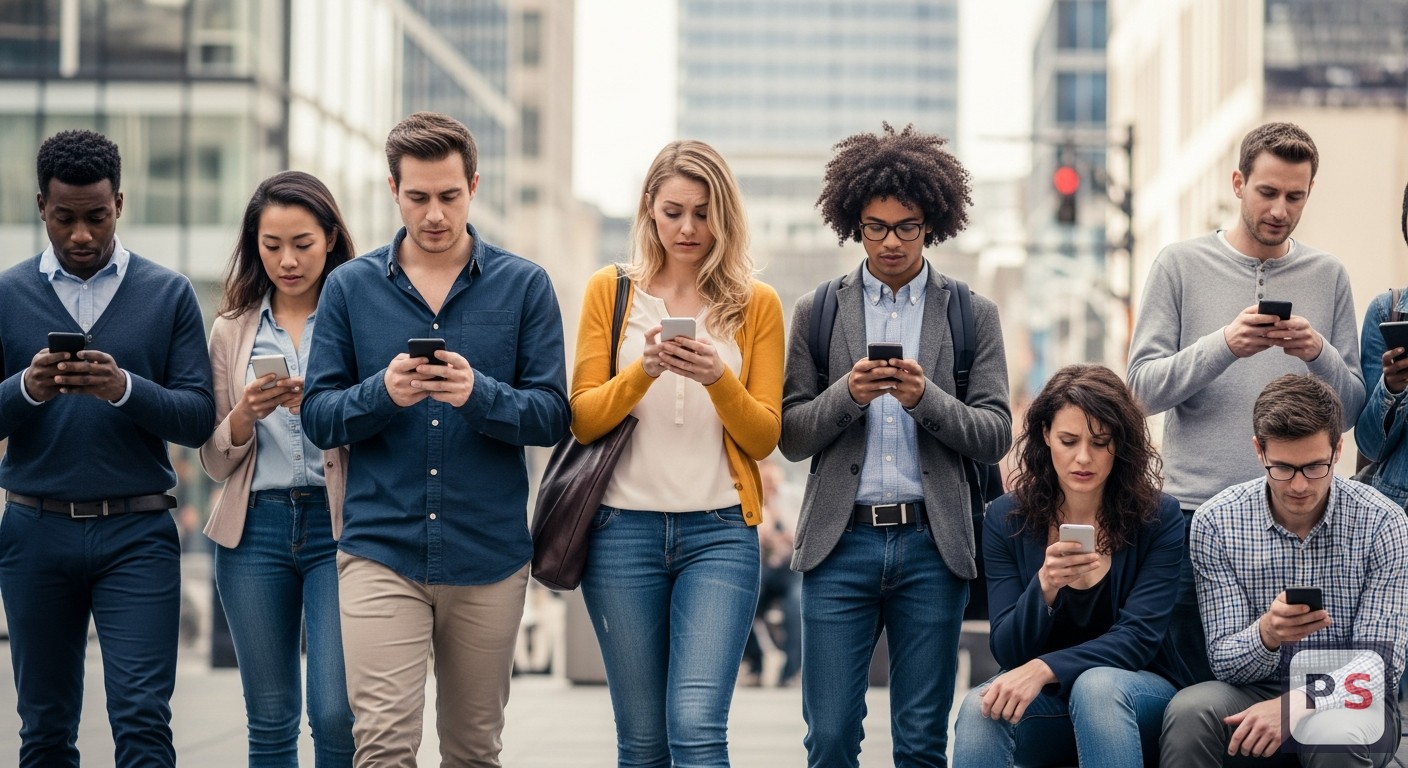
The report identified four main categories of people giving out health advice from social media influencers: moms sharing personal wellness journeys, fitness coaches selling programs, medical professionals with side accounts, and entrepreneurs with supplement brands. All of them lumped together. All of them reaching millions of followers. And here’s the thing — on your phone screen, they all look exactly the same.
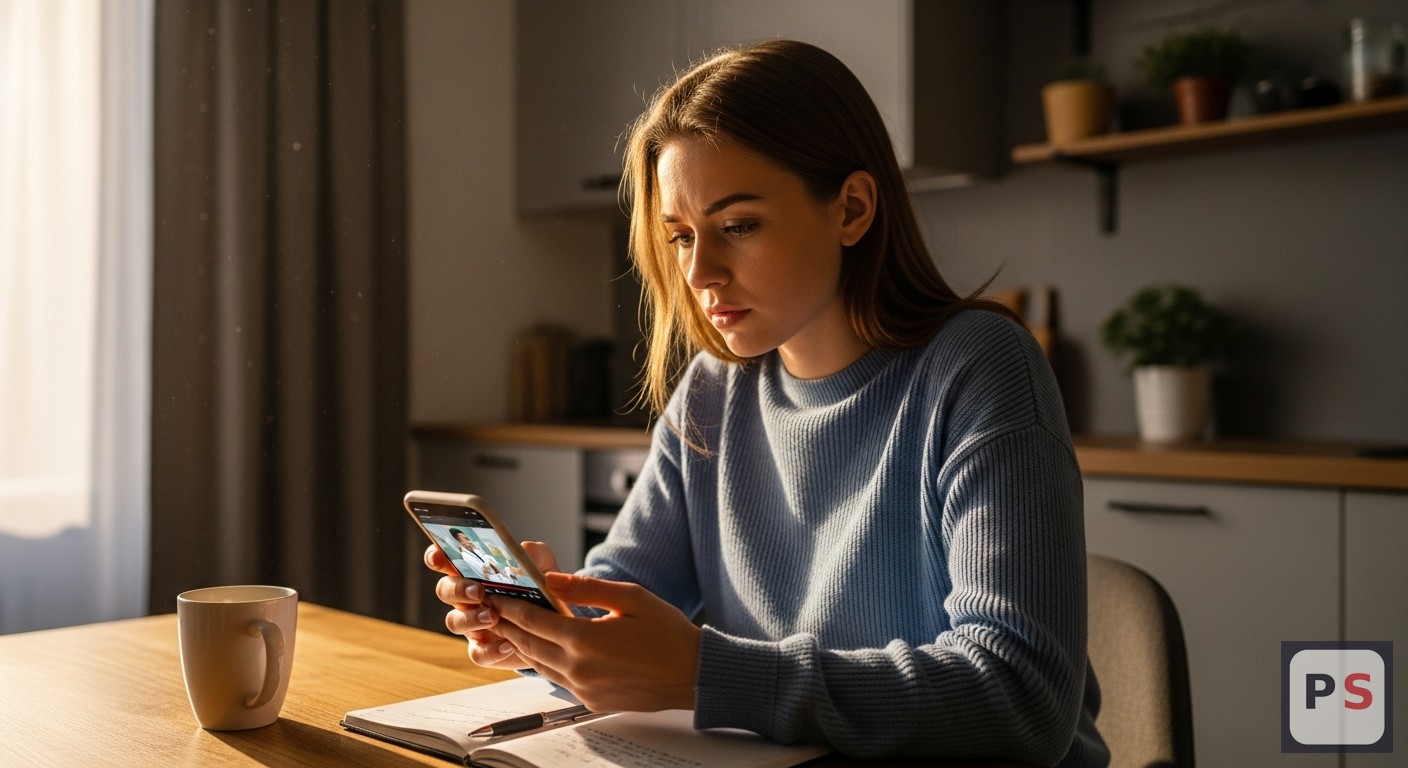
This isn’t a US-only problem. Pew’s research points to a global shift. According to separate data cited by the World Health Organization, social media has become one of the top three sources of health information for adults in 52 countries. That’s a staggering change from even five years ago.
Health Advice From Social Media Influencers: What the Numbers Actually Show
Here’s a number that genuinely shocked me: a 2024 analysis referenced in WHO communications found that approximately 25% of popular health-related social media posts contain at least one factually inaccurate claim. That’s 1 in 4. Scroll through 20 posts about sleep, supplements, or gut health tonight and statistically, five of them contain something wrong.
And the Pew data makes clear it’s not a fringe issue. Their research found that nearly 49% of adults under 30 report using social media as a primary or secondary source for health decisions — things like whether to start a supplement, how to manage a chronic condition, or even whether to continue prescribed medication.
“The reach of health influencers now rivals that of primary care physicians in terms of who people turn to first.” — Pew Research Center, June 2026
What makes this complicated — and what the Pew report is careful to note — is that not all influencer health content is wrong. Some medical professionals genuinely use platforms like Instagram and YouTube to communicate accurate, accessible information. The problem is the packaging. A verified cardiologist and a personal trainer who once lost 20 kilograms look identical on a feed.
Why Your Brain Trusts Influencers More Than It Should
There’s a psychological concept called a parasocial relationship — and it’s doing most of the heavy lifting here. It describes the one-sided bond we form with media personalities. You watch someone’s morning routine every day for a year. You know their dog’s name, their favourite protein powder, their sister’s wedding drama. You feel like you know them.
And when people you feel like you know give you advice, your brain’s skepticism filters drop significantly. A 2023 study published in the journal Health Communication found that parasocial closeness with a health influencer was a stronger predictor of health behavior change than the perceived accuracy of the information itself. In plain English: it doesn’t matter if the advice is right. If you feel close to the person giving it, you’re more likely to follow it.
That’s not a character flaw. It’s just how human brains work. We evolved to trust the advice of people in our social circle — we just never evolved to recognize that a person with 2 million followers isn’t actually in our social circle.

- Tarifänderungen erhöhen heimlich die Renovierungskosten – das verlieren Hausbesitzer gerade jetzt
- Les dupe de destinations réduisent de moitié les budgets de voyage — Et la plupart des voyageurs paient encore le prix fort
- Los cambios en las tarifas están aumentando silenciosamente los costos de renovación — Esto es lo que los propietarios están perdiendo en este momento
The Supplement Economy Sitting Behind All of This
Here’s the part that ties everything together. The global dietary supplement market was valued at roughly $177 billion in 2023, according to Grand View Research, and it’s projected to exceed $300 billion by 2028. A significant chunk of that growth is driven directly by influencer recommendations.
And here’s the conflict of interest almost nobody talks about openly: the same person telling you that a specific magnesium supplement will fix your anxiety, your sleep, and your skin is often getting a 15-25% affiliate commission on every bottle sold. Sometimes it’s disclosed. Often it’s buried in a caption. Occasionally it isn’t disclosed at all.
This doesn’t mean magnesium supplements are useless — some genuinely help with sleep quality, for example. But the person recommending it has a direct financial incentive tied to whether you believe their claim. That changes the information fundamentally.
Four Checks That Take Less Than Two Minutes
I’m not saying never use social media for health information. That’s not realistic and honestly, sometimes good information lives there. But health advice from social media influencers deserves a very quick filter before you act on it.
| Check | What to Ask | Red Flag |
|---|---|---|
| Credentials | What is their actual training? | “Certified wellness coach” with no listed institution |
| Financial link | Are they selling what they recommend? | Affiliate link or brand partnership in bio |
| Source check | Is there a study linked? Is it peer-reviewed? | “Studies show” with zero citation |
| WHO/official confirmation | Does WHO or a national health body say the same thing? | Claim directly contradicts official guidance |
That’s genuinely it. Four checks. You can do all of them in the time it takes to watch the next video in your queue.
🧠 Quiz: How Well Can You Spot Bad Health Advice?
5 quick questions. Find out if you’d fall for misinformation.
1. A wellness influencer with 2 million followers says drinking celery juice every morning will “detox your liver.” What’s the most likely truth?
What This Actually Means For You Starting Today
The Pew report doesn’t tell us to stop following health creators. What it tells us — pretty clearly — is that the system for delivering health information has changed faster than most people’s habits for evaluating it. We’re still using the same trust shortcuts we used for friends and family, but applying them to people with supplement sponsorships and no medical licensing.
Honestly, the fix is simple, if not always easy: treat social media health content the way you’d treat a very enthusiastic recommendation from a stranger at a party. Interesting to hear. Worth noting. But not something you act on until you’ve checked with someone who actually knows your situation — meaning a real doctor who has reviewed your actual health history.
Because here’s the thing about health advice from social media influencers — when it’s wrong, the person who gave it still gets paid. You’re the one who pays the real price.
Last updated: June 17, 2026