
Key Takeaways
- Pew Research just released data showing most people now get health advice from social media creators — not doctors
- “Wellness coach” is an unregulated title in most countries — anyone can use it
- Follower count and production quality have zero connection to medical accuracy
- Two quick checks can filter out the majority of bad health advice before you act on it
- The WHO, NHS, and peer-reviewed databases are free and more accessible than most people realise
I saw the headline from The New York Times this week — “Who Are You Getting Your Health Advice From?” — and honestly, it stopped me cold. Because I knew the answer before I even clicked. And I bet you do too. A Pew Research Center report published this month looked at who gives health advice online and who people actually trust. The findings aren’t just surprising. They’re kind of unsettling.
What the Pew Research Data Actually Says About Who Gives Health Advice Online
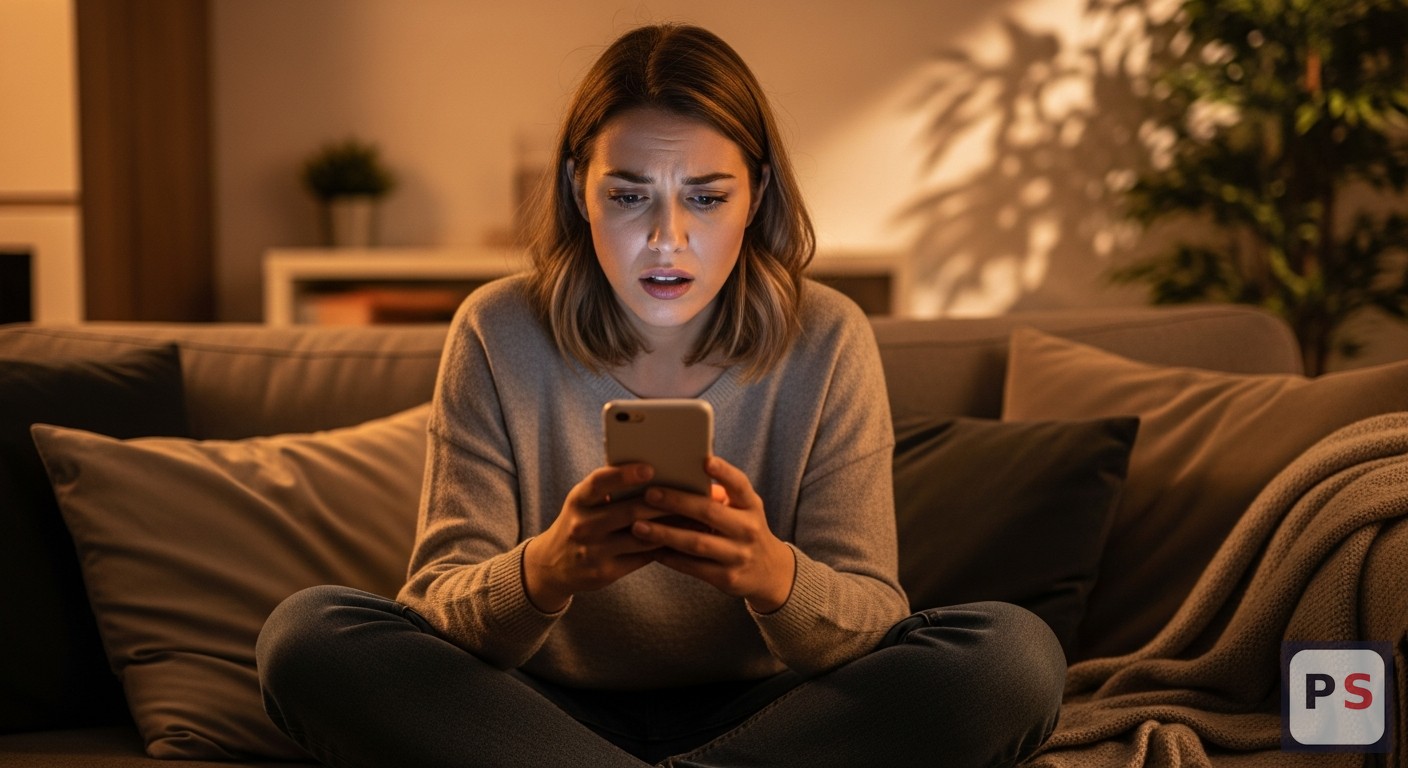
Here’s the short version: the people giving most of the health advice most people consume are moms, coaches, and entrepreneurs. Not physicians. Not researchers. Not anyone with a licence that can be revoked.
Pew identified several broad categories of health influencers dominating platforms like Instagram, YouTube, and TikTok. Doctors and nurses exist in this space — but they’re a minority of voices. The majority are people who built audiences through relatability, consistency, and — and this is key — entertainment value. They’re good at making you feel like you’re learning something in 60 seconds.
The study also found that trust was heavily driven by parasocial familiarity. Meaning: people trust creators they’ve watched for months the same way they’d trust a friend. Even when those creators are selling them something. Even when those creators have no clinical training whatsoever.
“The line between health education and health marketing has essentially dissolved on social media. Most viewers can’t tell the difference — and that’s by design.” — observation echoed across multiple media literacy researchers cited in the NYT piece
This isn’t a niche problem. The World Health Organization has been flagging health misinformation as an “infodemic” since 2020, and their own data suggests false health claims spread roughly six times faster than accurate ones online. Six times. That number genuinely shocked me when I first read it.
Why Your Brain Is Wired to Trust the Wrong Sources
This isn’t about being gullible. It’s neuroscience. When you watch someone talk directly into a camera, make eye contact, laugh, and share personal stories — your brain processes that person as a trusted social contact. The same warmth circuits fire whether you’re watching a trained physician or a fitness influencer who once lost 15 kilos and decided to become a coach.
Add in confirmation bias — the tendency to trust information that fits what we already believe — and you’ve got a perfect trap. If someone already suspects gluten is the root of all their problems, they’ll feel immediate relief when an influencer confirms it. The influencer doesn’t need credentials. They just need to say what felt true to the viewer already.
And here’s the kicker: polished production quality makes advice feel more credible. A study from MIT Media Lab found that professional-looking health videos were rated as more trustworthy even when the content was fabricated. We’re literally judging health accuracy by lighting and music choices.

The Real Cost of Bad Health Advice — In Numbers
This isn’t theoretical. The WHO estimates that medication errors alone — many of which stem from self-prescribed supplements or conflicting online advice — cost the global health system approximately USD $42 billion per year. The European Commission flagged in a 2025 report that supplement-related hospital admissions had risen 34% over five years, with social-media-influenced self-treatment as a contributing factor.
| Source Type | Regulated? | Accountable if wrong? |
|---|---|---|
| Licensed physician / specialist | ✅ Yes | ✅ Yes — licence at risk |
| Registered dietitian / pharmacist | ✅ Yes | ✅ Yes |
| “Wellness coach” / “health creator” | ❌ Usually not | ❌ No real mechanism |
| Fitness influencer / mom blogger | ❌ No | ❌ No |
| WHO / NHS / peer-reviewed journals | ✅ Yes | ✅ Yes — institutional oversight |
Look at that table for a second. The sources most people consult daily are in the bottom two rows. The sources with actual accountability are the ones people find the least accessible or entertaining.
- Le piège de la ‘licenciement silencieux’ est déjà en train de se produire dans votre emploi — et la plupart des gens remarquent les signes beaucoup trop tard
- La demanda de aprendizaje en línea está explotando — y las universidades están fallando en silencio a los estudiantes que se inscriben
- Des améliorations domiciliaires déductibles d’impôts que les experts disent pouvoir vous rapporter des milliers — La plupart des propriétaires n’en ont aucune idée
Two Checks That Filter Out Most Bad Health Advice
I’m not entirely sure this will fix everything — but based on everything I read this week, these two questions cut through the noise faster than anything else.
Check one: Who funded it? When a creator cites a study, find the original paper (Google Scholar is free). Look at the funding disclosure at the bottom. A supplement company funding a supplement study is a red flag. An independent university or government health body funding the same study is not.
Check two — this might be wrong but it’s served me well — ask: is this person selling something related to what they’re recommending? If the person telling you that magnesium deficiency is the root of all fatigue also has a magnesium supplement in their link-in-bio, that’s not a coincidence. That’s a business model.
Neither check takes more than two minutes. And together they’d eliminate a large chunk of the genuinely harmful advice circulating right now.
What Actually Trustworthy Health Information Looks Like
The WHO’s website is not glamorous. PubMed — the free database of peer-reviewed medical research — is not fun to scroll. The NHS and equivalent national health bodies around the world publish plain-language summaries of evidence that almost nobody reads. But they’re there. Free. Written by people whose job it is to get the science right.
The Pew report doesn’t say social media health creators are all bad actors. Some of them are excellent communicators doing genuinely useful work. But the system as it stands gives bad actors the exact same megaphone as good ones — and often a bigger one, because outrage and dramatic claims drive more engagement than nuanced, careful communication.
Here’s the thing I keep coming back to: your health is the one area of your life where the cost of being wrong isn’t just financial. A bad investment tip costs money. A bad health tip can cost you your wellbeing — or someone you care about theirs.
So the next time you see a creator confidently telling you about who gives health advice online that’s actually worth following, maybe check whether they’re actually regulated to give it. Two minutes. That’s all it takes to protect yourself from a system that isn’t designed to protect you at all.
Last updated: June 27, 2026