Key Takeaways
- A recent BBC investigation confirmed that most Black Friday ‘deals’ are not actually the lowest prices of the year.
- Retailers legally inflate prices weeks before sale events to make discounts look bigger than they are.
- Only about 1 in 8 Black Friday deals represents a genuine annual low price, according to price-tracking data.
- Free browser tools and a simple habit of checking price history 30 days before shopping can protect you globally.
- The EU’s Omnibus Directive now requires retailers to show the lowest price from the past 30 days — but enforcement varies widely.
I came across a BBC report this week that confirmed something I’d half-suspected for years but never really wanted to believe. Black Friday fake discounts exposed — and I mean properly exposed, with data — and the numbers are more uncomfortable than most shoppers realize. The headline finding: researchers tracking thousands of products across major retail platforms found that fewer than 1 in 8 items sold as ‘deals’ on Black Friday actually reach their lowest price of the year on that day. One in eight. The other seven? You could’ve bought them cheaper in February, or July, or literally any random Tuesday.
This isn’t a conspiracy theory. It’s a documented, years-long pattern. And the BBC piece — published this week and drawing on data from price-monitoring organizations — finally put hard numbers on something millions of shoppers quietly feel but rarely verify.
The ‘Reference Price’ Trick That Makes Black Friday Fake Discounts Exposed
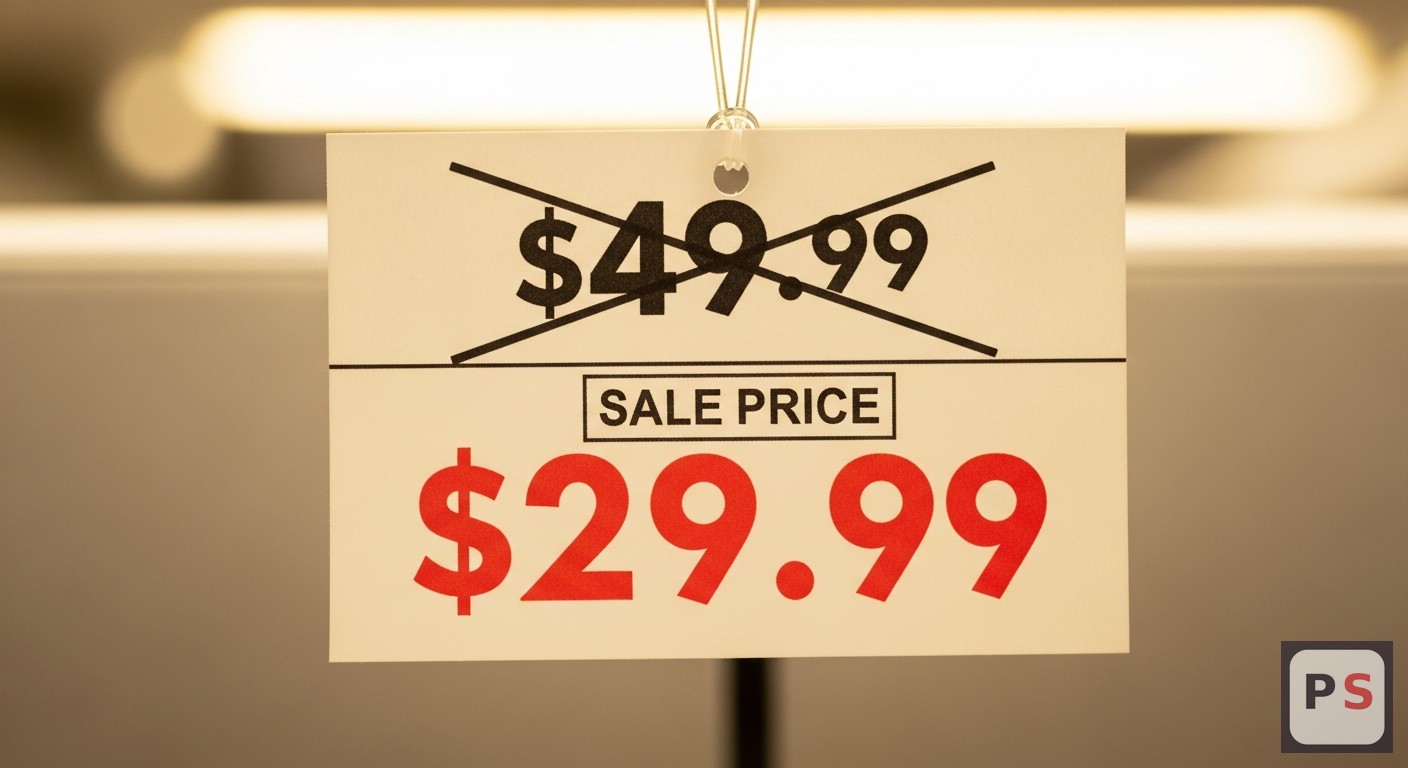
Here’s how it works, and it’s almost elegant in how cynical it is. A retailer lists a product — say, a blender — at €90 for most of the year. In October, about six weeks before the big sale, they quietly bump the price to €130. Then on Black Friday, they slash it to €95 and call it ‘27% off.’ Technically accurate. Legally defensible. And almost entirely misleading.
This is called a fake reference price. The ‘original’ price is inflated artificially, just long enough to create the illusion of a discount. The BBC report noted that this practice is widespread across electronics, home appliances, clothing, and even groceries in some markets.
And it’s not just one or two shady websites. We’re talking about major, well-known global retail platforms. The scale is what shocked me when I read it.
‘The data shows a consistent pattern: prices are artificially raised in the weeks preceding major sale events, then reduced to create the appearance of exceptional value.’ — Price tracking analysis cited in BBC report, June 2026
The EU actually tried to fix this. The Omnibus Directive — which came into force across European Union member states — now legally requires retailers to display the lowest price from the previous 30 days when advertising a discount. So the ‘€130 down to €95’ trick should, in theory, be harder to pull off. But enforcement is patchy. And for shoppers outside the EU — across Asia, Latin America, Africa, most of Southeast Asia — there’s essentially zero regulation protecting you from this.
Why Your Brain Is Perfectly Designed to Fall for This
I’m not going to pretend I’m above this. I’ve done it. You see a big red number crossed out, a bold new price below it, and something in your brain just… clicks. Psychologists call this anchoring — your mind grabs onto the first number it sees (the ‘original’ price) and uses it as the reference point for everything that follows.
Retailers have known this for decades. It’s not accidental. The crossed-out price isn’t just informational — it’s a psychological lever. When you see €130 crossed out and €95 in bold, you don’t think ‘is €95 a good price for this blender?’ You think ‘I’m saving €35.’ Those are completely different mental calculations, and only one of them helps you.
The BBC report referenced behavioral economics research showing that shoppers consistently overestimate the value of a discount when a reference price is displayed — even when they’re told the reference price might be inflated. We know the trick and still fall for it. That’s how deep this goes.

What Price Tracking Actually Looks Like (And Black Friday Fake Discounts Exposed Again)
Okay so what do you actually do about this? I spent a few hours after reading the BBC piece looking into what tools genuinely work, and here’s what I found.
| Tool | Works In | What It Does | Cost |
|---|---|---|---|
| CamelCamelCamel | Global (Amazon) | Full price history chart, alerts | Free |
| Google Shopping | Most countries | Price comparison + history on some items | Free |
| Idealo | Europe-focused | Multi-retailer price history | Free |
| Honey / PayPal | Wide global coverage | Browser extension, auto-applies coupons | Free |
| Manual screenshot | Everywhere | Screenshot prices in October, compare in November | Free + 2 minutes |
The manual screenshot method sounds almost embarrassingly low-tech but it’s honestly the most reliable. Pick 6–10 products you’re genuinely planning to buy. Screenshot their product pages in early October. Then on Black Friday, pull those screenshots up side by side. You’ll immediately see whether the ‘sale’ price is actually lower — or whether the retailer just reset the dial.
- Online Learning Demand Is Exploding — And Colleges Are Quietly Failing the Students Who Sign Up
- You’re Getting Your Health Advice From Strangers Online — And New Research Shows Exactly How Dangerous That Is
- Warum das Vertrauen der Versicherungskunden in KI auf 40% gefallen ist – und was es Sie heimlich kostet
The Timing Game — When Products Are Actually Cheapest
Here’s something the BBC report touched on that I thought was really useful: different product categories have different genuine discount windows, and Black Friday often isn’t it.
Electronics like laptops and phones tend to hit their actual low prices in January and February — retailers clearing stock after holiday season. Large appliances (washing machines, refrigerators) often drop in price when new models launch, typically March–April. Clothing and shoes? End of season clearance — January and July — beats Black Friday almost every time.
Bedding, towels, and home goods are a partial exception. There’s some evidence that these genuinely discount well around the November sales period. But even then, price-tracking data shows the difference is often single-digit percentages, not the 30–50% splashed across sale banners.
💸 The Black Friday Waiting Cost Counter
Every second you wait to compare prices, you risk paying inflated ‘sale’ prices. See how fast fake savings add up globally.
What You Can Actually Do Before November Rolls Around
I want to be honest: I'm not entirely sure every retailer does this intentionally with bad faith. Some pricing fluctuations are algorithmic — automated systems adjusting to competitor prices in real time. But whether it's deliberate or algorithmic, the result for your wallet is the same.
The single most powerful habit — and I'll keep this simple — is to never buy a 'sale' item without checking its 30-day price history first. Not the claimed original price. The actual recorded price history from a third-party tracker. That one check takes 60 seconds and protects you from the entire reference price game.
The BBC report also recommended — and I thought this was smart — treating Black Friday as a research day, not a buying day. Use the event to identify what you want. Then wait 48–72 hours and check whether that price holds or drops further. Retailers count on urgency. The countdown timer, the 'only 3 left in stock' badge — all of it is designed to short-circuit the part of your brain that would otherwise just… wait and check.
And look, sometimes the deal really is good. But now you'll actually know when that's true — instead of just hoping.
Last updated: June 19, 2026