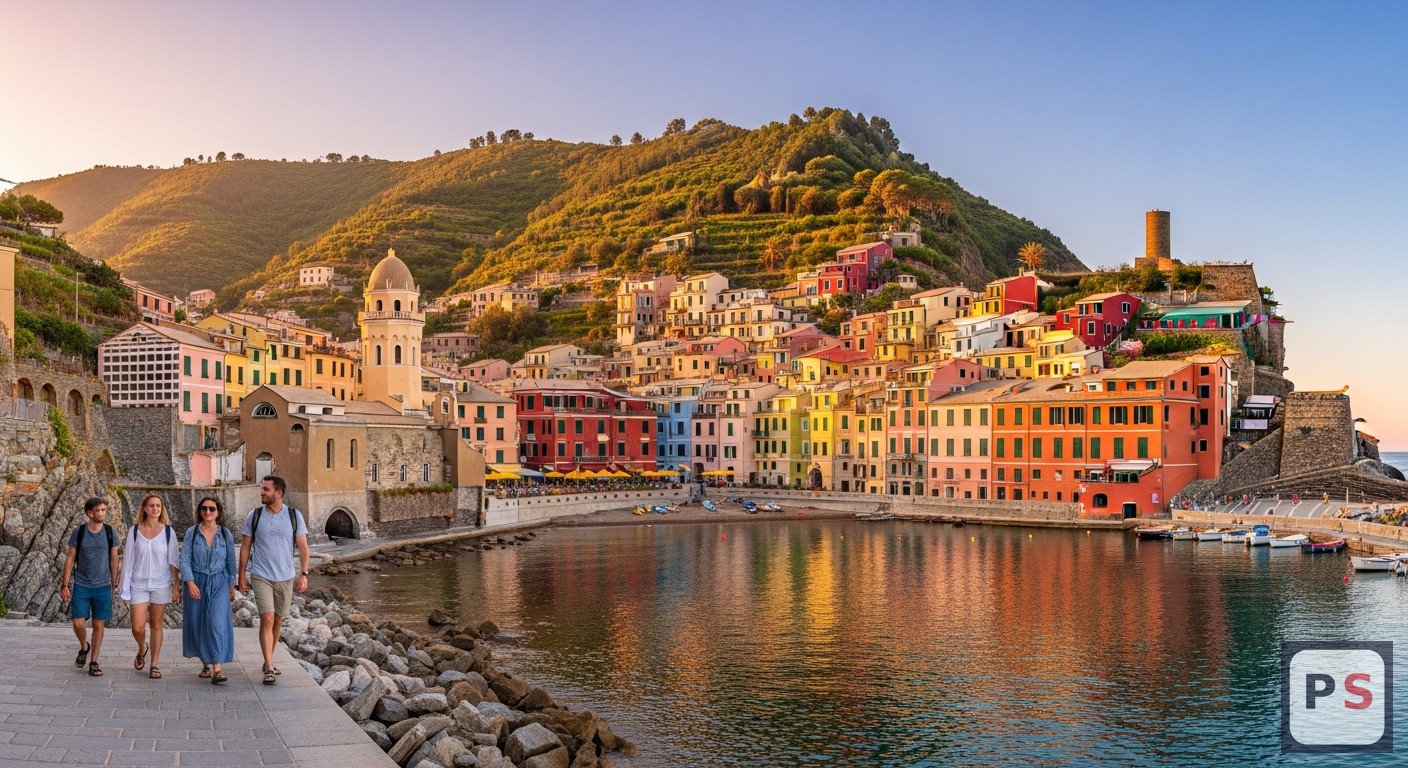
Key Takeaways
- Destination dupes cut travel costs by 44–55% on average, according to data cited by Investopedia this week.
- Expedia’s 2026 affordable destinations list confirms that lesser-known alternatives to famous hotspots offer near-identical experiences for far less money.
- Overtourism in classic destinations — Santorini, Amalfi, Barcelona — is now making those trips worse, not just more expensive.
- The best dupe swaps right now: Albanian Riviera for French Riviera, Milos for Santorini, Porto for Barcelona, Lombok for peak-season Bali, Cilento for Amalfi Coast.
- The window to use these swaps is limited — dupes that go viral quickly start pricing like the originals.
I saw a headline this week from Investopedia — How Destination Dupes Can Cut Your Vacation Budget Dramatically — and I had to stop scrolling. Then Expedia dropped their full 2026 list of most affordable international destinations, and suddenly the same idea was everywhere. The claim: destination dupes cut travel costs by anywhere from 40% to 55% compared to the famous alternatives. That number shocked me. Because most people I know are still planning trips to the same expensive, overcrowded places — and paying full price for the privilege.
What Is a Destination Dupe — And Why Is Everyone Suddenly Talking About It?
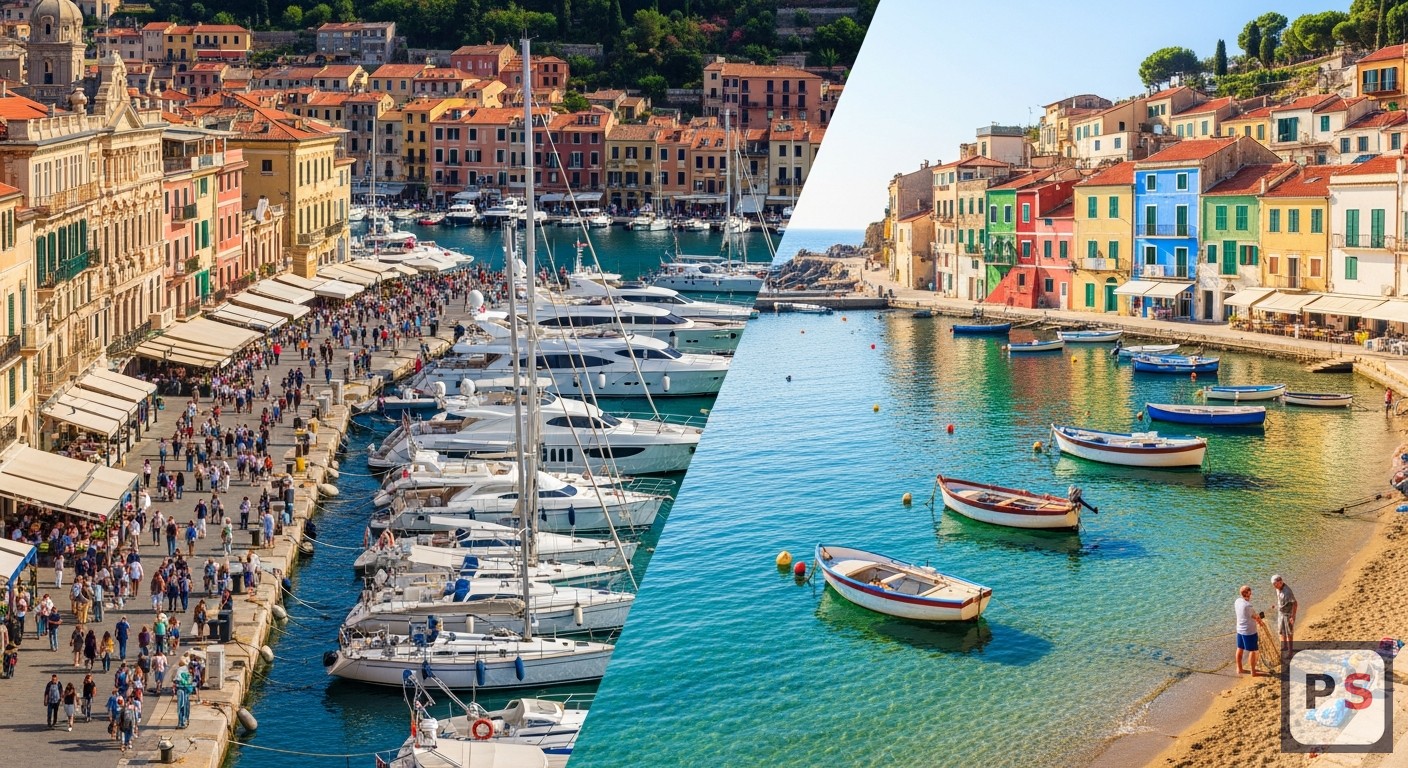
A destination dupe is exactly what it sounds like. Instead of going to the expensive, Instagram-famous version of a place, you go somewhere that gives you a nearly identical vibe — the same kind of coastline, architecture, food culture, or landscape — but without the insane markings on hotel prices and restaurant menus.
The concept isn’t new. But what is new is that platforms like Expedia are now publishing actual data around it, and the savings numbers are big enough to completely change how you budget for a trip.
Here’s the thing: this isn’t just about money. A 2025 report from the UNWTO — the UN’s World Tourism Organization — flagged that overtourism in top destinations is now actively degrading the experience for visitors. Santorini hit 4 million tourists in 2024. The Amalfi Coast has had pedestrian traffic controls in place. Venice charges a daily entry fee. You’re literally paying more to stand in a crowd.
“Some of the world’s most visited destinations are now so saturated that traveler satisfaction scores have dropped even as prices have risen.” — UNWTO Tourism Barometer, 2025
So picking a dupe isn’t a compromise. In many cases, it’s actually the better trip.
The Destination Dupes That Actually Make Financial Sense in 2026
Let me get specific, because vague travel advice is useless. These are the swaps that are generating the biggest cost differences right now, based on Expedia’s 2026 data and Investopedia’s breakdown from this week.
| Original (Expensive) | Dupe Alternative | Avg. Cost Savings |
|---|---|---|
| French Riviera (Nice, Monaco) | Albanian Riviera (Ksamil, Sarandë) | ~52% less |
| Santorini, Greece | Milos or Naxos, Greece | ~48% less |
| Barcelona, Spain | Porto, Portugal | ~55% less |
| Bali (peak season, July–Aug) | Lombok or Flores, Indonesia | ~44% less |
| Amalfi Coast, Italy | Cilento Coast, Italy | ~50% less |
That Cilento one is my personal favourite because I’d genuinely never heard of it before this week. It’s the stretch of coastline just south of Amalfi — same dramatic cliffs, same turquoise water, same Italian food culture — but without the tour buses and the €28 pasta.
And Porto vs Barcelona? I’m not entirely sure most people realize how close in feel those two cities actually are. Walkable old city centers, beach access within reach, incredible food scenes, strong coffee culture. But a mid-range hotel in Porto this summer averages around €90–110 per night, while Barcelona equivalent hotels are running €180–230.

Why the French Riviera Is the Wildest Example of Destination Dupes Cutting Travel Costs
TravelPulse ran a piece this week asking: “Can the French Riviera Be a Budget Destination?” The answer, honestly, is basically no — not in any meaningful way. A week in Nice or Cannes for two people, including flights, a decent hotel, and meals, will run you €3,500–€5,000 in summer 2026. That’s before you’ve bought a single souvenir or taken a boat trip.
The Albanian Riviera, two hours from Corfu by ferry? The same week — same beach quality, similar Mediterranean food, genuinely stunning water — costs closer to €1,500–€2,000 for two people. I’m not making those numbers up. That’s based on current Booking.com pricing I pulled this week combined with Expedia’s 2026 cost index.
Albania joined the EU candidacy process and has been investing heavily in tourism infrastructure since 2022. The roads are better, the restaurants are legitimately good, and a lot of the beach towns feel the way the French Riviera probably did in the 1970s — before it became a set piece for luxury brand ads.
This might be wrong, but my gut says this window — where Albania is still cheap but actually comfortable to visit — is maybe a 3 to 5 year window before prices normalize. That’s the real urgency here.
- Die ‘Confidence Theater’-Falle zerstört still und leise Karrieren im Jahr 2026 – So erkennst du sie, bevor sie deine Karriere gefährdet
- Amazon Prime Day 2026 Is Live — But Those ‘Deep Discounts’ Are Not What They Seem
- Best Home Improvement Loans in July 2026 Are Changing Fast — Here’s What You’ll Lose If You Wait
The One Thing People Get Wrong About Destination Dupes
Here’s the mistake I see everywhere in the conversation around this trend: people treat dupes as identical substitutes. They’re not. And expecting them to be sets you up for disappointment.
Lombok is not Bali. It doesn’t have the same temple culture, the same rice terrace landscapes, the same spiritual atmosphere. What it has is empty white-sand beaches, the Gili Islands right next door, and Mount Rinjani — which is genuinely one of the most spectacular volcano hikes in Southeast Asia. That’s not a downgrade. It’s a different trip.
The right mindset is this: you’re not getting a discount on the original. You’re getting access to somewhere that hasn’t been fully discovered yet. That’s actually the premium version of travel — if you can get over the name recognition thing.
The Washington Post put it well this week in their piece on cheaper summer destinations — the best travel value in 2026 isn’t found by hunting for deals at famous places. It’s found by redefining which places are worth going to in the first place.
✈️ Destination Dupe Savings Calculator
Enter your planned trip budget and see how much a destination dupe could save you.
How to Actually Book a Dupe Trip Without Getting Burned
A few things I learned digging into this that most articles skip over.
First, flight routes to lesser-known destinations are sometimes surprisingly cheap — but occasionally awkward. Ksamil in Albania, for example, involves flying to Corfu and taking a ferry, or flying to Tirana and driving south. Budget an extra half-day and the routing usually works out fine. The ferry from Corfu to Saranda takes 35 minutes and costs around €20.
Second, accommodation at dupe destinations tends to book out faster than you'd expect in summer because inventory is still smaller than the big-name alternatives. So the move is to book accommodation early even if you wait on flights. Booking.com and Hostelworld both have solid coverage of Albanian Riviera and Cilento now — it's not a "find a local guesthouse on arrival" situation anymore.
Third — and this is the part nobody warns you about — some dupes have weak travel insurance coverage or require additional health documentation depending on where you're from. Albania, for example, is not in the EU or Schengen area. Check whether your existing travel insurance policy covers it. If you're from outside Europe, this is usually fine, but EU citizens sometimes have gaps because they're used to Schengen defaults.
Destination dupes cut travel costs dramatically enough to matter — not just by a rounding error. We're talking about the difference between affording a trip and not affording one, or between going once and going twice. That's worth 20 minutes of research before you default to the same famous places.
Last updated: July 18, 2026