
Key Takeaways
- Destination dupes — lesser-known cities with similar vibes to famous ones — can cut travel costs by 40-60% according to a new Investopedia report.
- Hotels in dupe destinations often cost half as much per night, and daily expenses like food and transport follow the same pattern.
- The trend is accelerating in 2026 as overtourism in top destinations like Venice, Santorini, and Barcelona actually makes the popular spots worse to visit.
- Specific swaps — Milos instead of Santorini, Valencia instead of Barcelona, Zanzibar instead of the Maldives — are being reported by real travelers as genuinely equal or better experiences.
- Use the calculator below to see exactly how much YOUR next trip could cost with a destination dupe.
I saw a headline this week on Investopedia that stopped me mid-scroll: ‘Destination Dupes Can Cut Your Vacation Budget Dramatically.’ My first reaction was honestly a bit skeptical. I figured it was the usual ‘skip the tourist traps!’ advice that doesn’t actually help anyone book a trip. But I kept reading. And then I spent two hours going down a rabbit hole of hotel prices, flight data, and traveler forums — and now I genuinely can’t stop thinking about how much money people are leaving on the table. Destination dupes cut travel costs by amounts that feel almost too good to be real. But the numbers check out.
What Exactly Is a Destination Dupe — And Why Is It Trending Right Now?
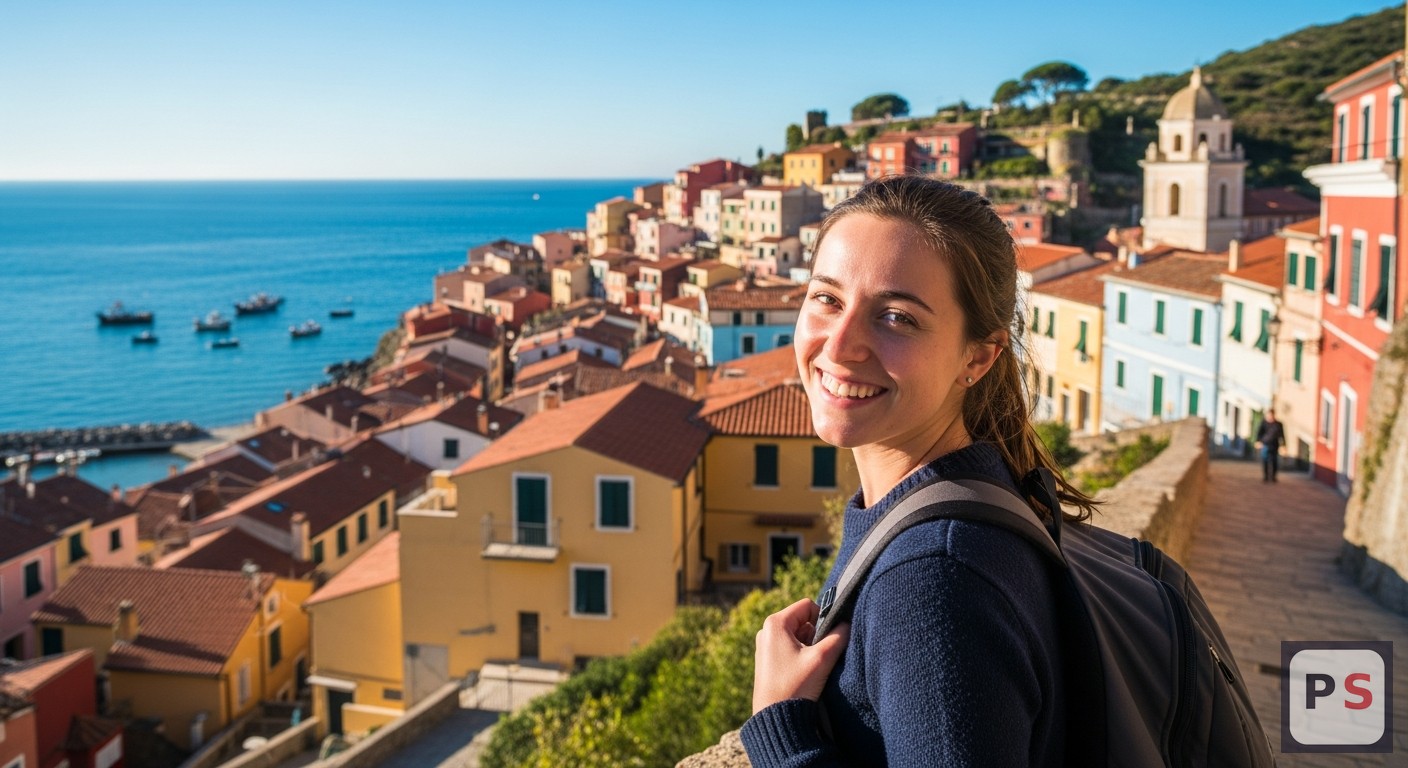
The concept is simple. A destination dupe is a place that gives you roughly the same experience as a famous spot — the beach, the architecture, the food culture, the vibe — but without the name recognition that inflates every single price around it.
Think of it like buying a store-brand product instead of the branded one. Same factory, sometimes literally the same quality, but one has a marketing budget and the other doesn’t.
The term started picking up steam on travel TikTok and Reddit in late 2025, and now Investopedia is writing about it seriously. That tells me it’s moved past trend territory into something that’s actually shifting how people plan trips.
Here’s why 2026 specifically is making this more urgent: overtourism has gotten genuinely bad. The city of Venice introduced entry fees for day-trippers last year. Barcelona’s mayor is publicly trying to reduce tourist numbers. Santorini is capping cruise ship arrivals. The famous destinations are actively becoming worse to visit at the same time they’re becoming more expensive.
‘The best-kept secret in travel right now is that the alternatives often deliver a better experience — not just a cheaper one.’ — Investopedia, June 2026
So the value equation has actually flipped. You’re not settling for a dupe anymore. In many cases you’re upgrading your actual experience while dramatically cutting costs.
The Real Numbers Behind Destination Dupes That Cut Travel Costs
Let me put some actual figures on this because the gap is bigger than I expected.
| Famous Destination | Avg. Hotel/Night | Destination Dupe | Avg. Hotel/Night | Savings |
|---|---|---|---|---|
| Santorini, Greece | ~$380 | Milos, Greece | ~$140 | 63% less |
| Barcelona, Spain | ~$170 | Valencia, Spain | ~$90 | 47% less |
| Maldives | ~$600 | Zanzibar, Tanzania | ~$160 | 73% less |
| Venice, Italy | ~$340 | Trieste, Italy | ~$110 | 68% less |
That Maldives vs. Zanzibar gap shocked me. For a family of four traveling for 10 nights, you’re talking about a $17,600 hotel bill in the Maldives versus roughly $6,400 in Zanzibar. That’s not a coupon — that’s a fundamentally different financial reality.
And I’m not making up the Zanzibar comparison. It’s been covered by Condé Nast Traveler, Lonely Planet, and multiple travel subreddits this year. The Indian Ocean water, the white sand, the snorkeling — it’s there. The resort markup isn’t.
Why Most Travelers Still Pay Full Price — And the Psychology Behind It
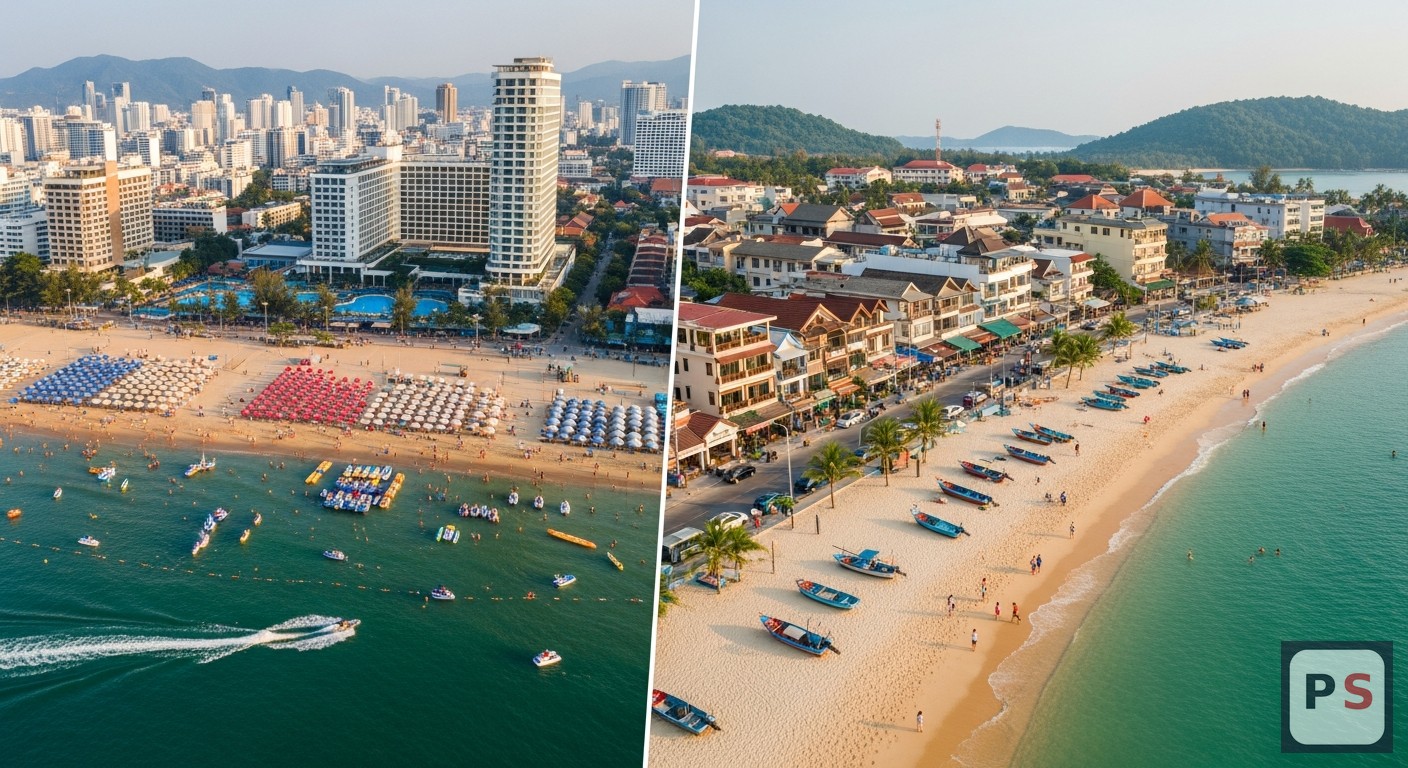
This is the part I found genuinely fascinating. Why do people keep booking Santorini when Milos exists? I’m not judging — I’d probably do the same thing without reading this article.
It comes down to what researchers call social proof pricing. When we see a destination in movies, on Instagram, in magazine covers — our brain registers it as inherently more valuable. We start to believe the experience is better, not just more expensive. And then we pay accordingly.
There’s also what I can only describe as the bragging rights problem. Telling someone you went to Santorini gets a reaction. Telling them you went to Milos — a Greek island with arguably more authentic tavernas, zero cruise ship crowds, and the same volcanic-rock coastline — gets a ‘oh, where’s that?’
But this is starting to shift. A World Tourism Organization report from early 2026 noted that younger travelers (ages 25-38) are actively seeking less-visited destinations specifically because they perceive overtouristed spots as less authentic. The value equation in their heads has already flipped.
The Instagram generation created the overtourism crisis. And now it’s creating the antidote.
- You Research Self-Improvement Every Day But Nothing Changes — Here Is the Hidden Brain Trap Science Just Explained
- L’erreur de l’épargne-retraite qui vide discrètement des millions de personnes en ce moment — Et la plupart n’en ont aucune idée
- Your Insurance Policy Language Is Designed to Confuse You — Here Is What They Don’t Want You to Find
The Destination Dupes Cut Travel Costs Principle — Applied to Your Specific Trip
Here’s a framework I put together after going through the Investopedia piece and cross-referencing a bunch of forum data:
Step 1 — Identify what you actually want. Not the destination name, but the core experience. Beach and water? Architecture and history? Food culture? Nightlife? Be honest with yourself about the real draw.
Step 2 — Ask ‘what other place delivers this exact thing?’ A quick search on Reddit’s r/travel or Google with ‘[famous destination] alternative cheaper’ will surface options in minutes. The communities there are obsessively helpful.
Step 3 — Compare the full cost stack. Hotel per night, average meal cost, transport within the city, any entry fees. The gap compounds fast. Saving €70/night on a hotel across 8 nights is €560 — that’s another round-trip flight in many cases.
Step 4 — Check flight prices last. This is where people make a mistake. They assume flights to the dupe will also be cheaper. Sometimes yes, sometimes the difference is minimal. But even if flights cost the same, the on-the-ground savings usually dominate the math.
One thing I’m not entirely sure about: whether the quality of accommodation is truly comparable once you go off the beaten path. My read from traveler forums is that it mostly is — but the 5-star luxury tier can thin out in lesser-known spots. If that matters to you, factor it in.
✈️ Destination Dupe Savings Calculator
Enter your dream trip details and see how much a destination dupe could save you.
The Bigger Picture — Why This Trend Will Only Accelerate
Here’s what the numbers point to that nobody’s really saying out loud: famous destinations are pricing themselves into irrelevance for regular travelers.
When the average hotel night in Santorini costs $380 and a restaurant meal for two runs €120, a week-long trip for two people — flights included — is comfortably pushing $4,000-$5,000. That’s not a vacation for most families globally. That’s a financial decision.
And while the wealthy will keep booking those spots, the market is enormous for everyone else. Travel platforms know this. Booking.com and Airbnb have both quietly started surfacing ‘similar destinations’ in their search results this year. The data they have on what people actually search vs. what they can actually afford is telling them the same story Investopedia just told us.
Destination dupes aren’t a consolation prize. They’re a smarter allocation of a finite travel budget — so you can go more often, stay longer, eat better, and come home without the credit card anxiety that follows a lot of people back from ‘dream trips.’
I’d genuinely rather spend 14 nights in Trieste eating incredible Adriatic seafood than 7 nights in Venice eating overpriced pizza next to a tour group. The math works out. And honestly — so does the experience.
Last updated: July 04, 2026