
Key Takeaways
- A major new Pew Research study published this month found that a significant share of adults globally now get health information primarily from social media influencers and podcasters — not doctors.
- The people giving health advice online range from actual physicians to life coaches to parents with large followings — and there is almost no way to tell them apart at a glance.
- Confidence online is not the same as credentials. Many top wellness accounts have zero medical training.
- There are four specific things you can check in under two minutes to verify if a health source is actually trustworthy.
- This is not just an individual problem — the WHO has flagged health misinformation as one of the top global public health threats.
I was reading through a new Pew Research Center report released this week — the one titled “Trust in health and wellness influencers” — and honestly, I had to stop and re-read one section three times. The report, which surveyed thousands of adults, found that a surprising portion of people now say they trust health and wellness influencers more than they trust their own doctors for everyday health decisions. That’s not a fringe behavior anymore. That is mainstream. And if you’ve ever Googled a symptom, watched a wellness reel, or followed someone’s supplement routine, this is directly about you. The question of who gives health advice online turns out to have a very uncomfortable answer.
The Pew Report Nobody Is Talking About Enough
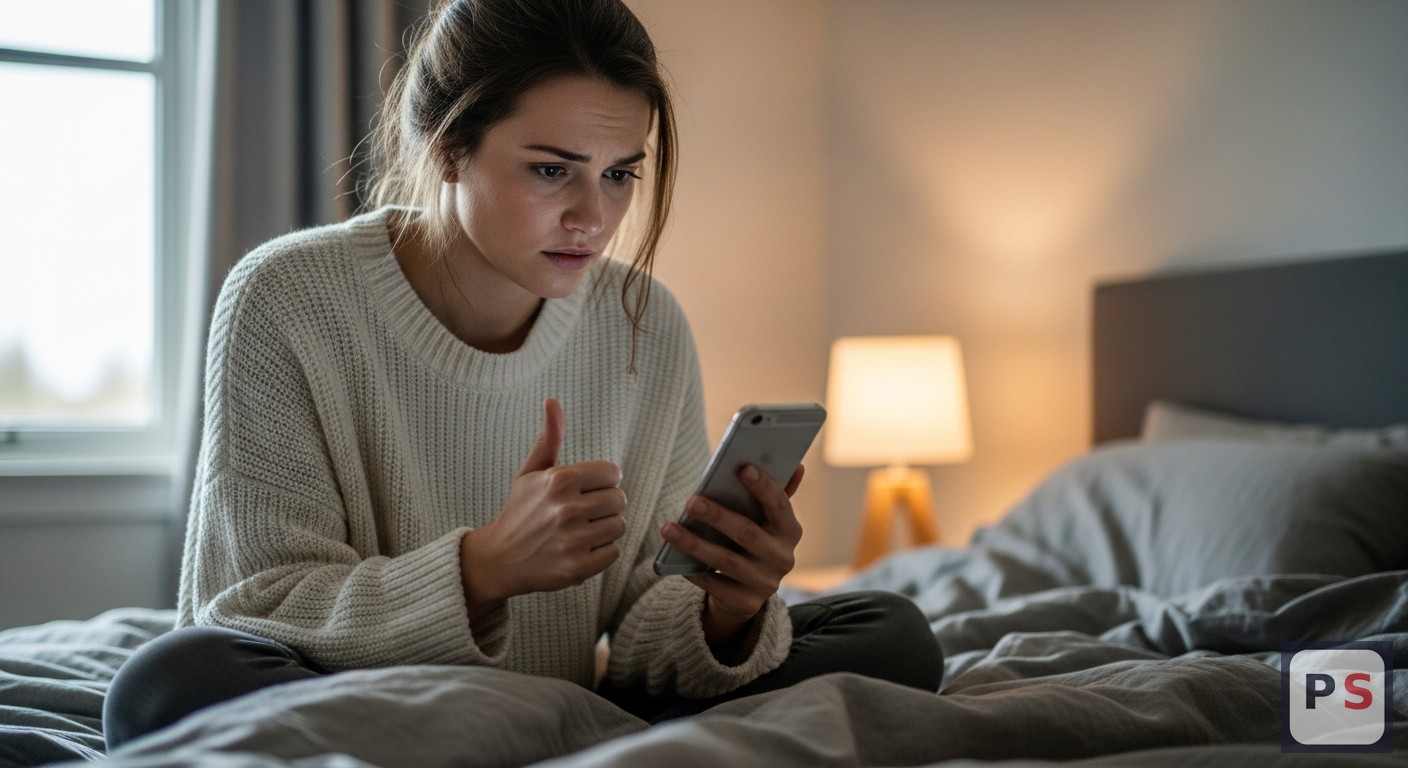
So here’s what the Pew Research Center actually found. Their new study — published in May 2026 — looked at who Americans (and by extension, much of the connected world) are turning to for health guidance. The categories included doctors, coaches, entrepreneurs, moms, and podcasters. And the finding that made my stomach drop: roughly 1 in 5 adults said they had made a real health decision based on advice from a social media influencer or podcaster in the past year.
One in five. That’s not a niche. That’s your neighbor, your coworker, maybe your parent.
And the influencers themselves? The report found they span an enormous range. Some are licensed physicians who genuinely know what they’re talking about. But many others are life coaches, fitness entrepreneurs, parents who went viral, or just charismatic people with good lighting and a compelling story. The terrifying part is that they often look identical from the outside.
“The line between personal experience and medical advice has completely dissolved on social media. Millions of people cannot see where one ends and the other begins.” — Pew Research Center analysis, May 2026
This isn’t just a Western problem either. The WHO flagged health misinformation — what they call the “infodemic” — as one of the top threats to global public health as far back as 2020. And the infrastructure that drives it has only gotten more sophisticated since then.
Why Influencers Feel More Trustworthy Than Your Doctor (Even When They Shouldn’t)
Here’s the thing I had to actually think hard about: why does this happen? Why would a person take supplement advice from a 28-year-old with 800,000 followers over a physician they’ve seen for years?
Turns out, there are some genuinely understandable psychological reasons. Doctors are expensive and hard to access in many countries. Appointments are short — sometimes under ten minutes. And clinicians are often trained to communicate in ways that feel cold, technical, and scary.
Influencers, on the other hand, are warm. Relatable. They share their personal transformation stories. They respond to comments. They post at 11pm when you’re anxious about a symptom and can’t sleep. They feel like a friend who has already figured it out.
That emotional accessibility is genuinely valuable — the problem is when it gets mistaken for medical accuracy.

And the financial incentive is enormous. A mid-tier wellness influencer with 200,000 followers can earn between $2,000 and $10,000 per sponsored post for a supplement brand. That brand does not need them to be correct. It needs them to be convincing. Those are very different things.
The Specific Types of Health Influencers (And Which Ones To Actually Trust)
The Pew report broke down the influencer landscape into rough categories, and I found this genuinely useful to think about. Not all wellness content creators are equally risky. Here’s how I’d frame it:
| Type | Examples | Risk Level |
|---|---|---|
| Licensed MD or specialist | Verified doctors posting educational content | Low |
| Registered dietitian or physiotherapist | Credentialed professionals in specific fields | Low-Medium |
| Wellness coach or entrepreneur | Often self-certified, no regulated training | High |
| “Mom” or lifestyle influencer | Personal experience shared as general advice | High |
| Podcaster with no stated credentials | Often interviewing guests, tone of authority | Very High |
I’m not saying every wellness coach is dangerous or that every podcaster is wrong. Some of them are brilliant. But the risk scales dramatically when there are no credentials behind the confidence.
- The Small Financial Trade-Offs That Are Quietly Draining Your Wealth (And Most People Have No Idea)
- Los empleados están ‘abrazando sus trabajos’ en este momento — y los expertos en carreras dicen que está matando silenciosamente tu crecimiento
- Os Cursos Online Estão Silenciosamente Falhando com os Estudantes em 2026 — E Novos Dados Mostram Quem Está Sendo Prejudicado
How To Actually Check Who Gives Health Advice Online In Under 2 Minutes
This is the part I wish someone had told me five years ago. There are four quick things you can do before trusting any health-related content online:
1. Look for a real credential in the bio. Not “certified wellness coach” — that’s often a paid online course. Look for MD, DO, RD, RN, PhD in a relevant field, or a verifiable institutional affiliation. If it’s not there, that tells you something.
2. Search their name plus their institution. If someone claims to be “Dr. [Name] from [Hospital],” that hospital will have a directory. Takes thirty seconds. If they don’t appear there, ask yourself why.
3. Check if they cite actual sources. Real health professionals reference studies, name journals, or at minimum say “according to research.” Vague statements like “science shows” or “experts agree” with no link are a red flag.
4. Look at what they’re selling. This one is uncomfortable but important. If every post eventually leads to a supplement, a course, or a product — their advice is not neutral. That doesn’t make them wrong, but it means they have a financial reason to be compelling, not just accurate.
Where Do You Actually Get Your Health Advice?
Vote below — see what other readers say in real time
What This Means For You Going Forward
Here’s my honest take after spending two hours in the Pew report and a bunch of adjacent research: the problem isn’t social media. The problem is that we’ve never been taught how to evaluate who gives health advice online the same way we’d evaluate any other expert.
We wouldn’t let a random confident person on YouTube perform surgery. But we’ll follow their advice on what to put in our bodies every day — and somehow that feels different. It isn’t, really.
The good news is that the tools to verify are free and fast. The bad news is most people don’t use them because the content is designed to feel trustworthy before you even think to check.
I’m not saying delete your wellness follows. I’m saying add one step: two minutes of verification before the next time a health recommendation changes your behavior. That’s it. That one habit is worth more than any supplement anyone online has ever tried to sell you.
Last updated: May 15, 2026